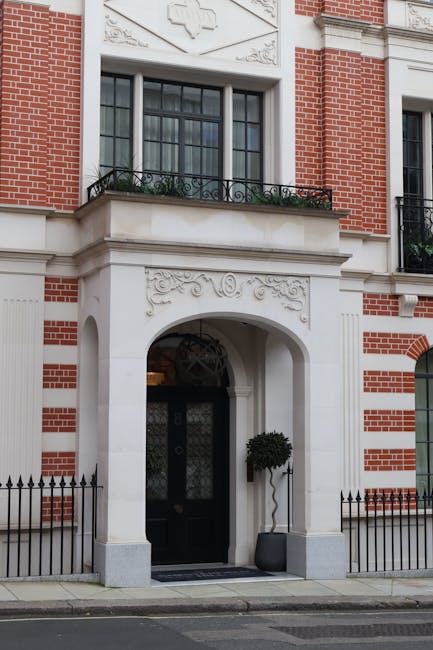
Mount Street W1K: specialist cleaning for Mayfair flats
Mount Street has a certain feel to it. Polished pavements, discreet entrances, elegant conversions, and flats where the details matter just as much as the overall finish. If you live, rent, manage, or prepare a flat here, Mount Street W1K: specialist cleaning for Mayfair flats is not the same as a standard quick spruce-up. The rooms are often high-spec, the surfaces can be delicate, and the expectations are usually higher too. Truth be told, a rushed clean can stand out in all the wrong ways.
This guide walks through what specialist cleaning means in a Mayfair setting, why it matters on Mount Street, how the process works, and what to look for if you want careful, reliable results. You will also find a comparison table, a practical checklist, and answers to common questions, including timing, costs, and best practice. If you are exploring the area more broadly, it can also help to read a guide to the enchanting Mayfair district in London for a useful sense of the local context.
Table of Contents
- Why Mount Street W1K specialist cleaning for Mayfair flats matters
- How specialist cleaning for Mayfair flats works
- Key benefits and practical advantages
- Who this is for and when it makes sense
- Step-by-step guidance
- Expert tips for better results
- Common mistakes to avoid
- Tools, resources and recommendations
- Law, compliance, standards, or best practice
- Options, methods, or comparison table
- Case study or real-world example
- Practical checklist
- Conclusion
- Frequently asked questions
Why Mount Street W1K specialist cleaning for Mayfair flats matters
Mayfair flats are rarely simple. Some are compact but finished to a very high standard; others have period features, bespoke joinery, marble, silk-like upholstery, or carpets that are expensive to replace and awkward to clean badly. On Mount Street, that mix is common. Specialist cleaning matters because each material reacts differently to moisture, chemistry, heat, and friction. A one-size-fits-all approach can leave streaks, pile distortion, water marks, or worse, permanent damage.
There is also the practical side. Many flats in this part of W1K are lived in by busy professionals, used as pied-a-terre homes, or prepared for viewings, check-ins, or end-of-tenancy handovers. That means the cleaning has to do more than look tidy. It has to be consistent, discreet, efficient, and appropriate for the building and the occupants. If you have ever noticed a faint smell of old cooking lingering in a hallway carpet, or seen dust gather along tall skirting boards and window reveals after only a week, you already know the sort of detail that needs attention.
Specialist cleaning is especially relevant when:
- the flat has natural stone, marble, engineered wood, or delicate finishes;
- carpets and rugs need deeper treatment than vacuuming alone;
- upholstery has been affected by daily use, pets, or occasional entertaining;
- a tenancy is ending and the inventory standard must be met;
- an owner wants the home to feel properly reset after travel or a guest stay.
For readers comparing property upkeep across the area, Mayfair property: a wise investor's manual is a useful companion piece, especially if you are thinking about long-term presentation and asset care.
How Mount Street W1K specialist cleaning for Mayfair flats works
Specialist cleaning starts with assessment, not scrubbing. That sounds obvious, but you would be surprised how often it gets skipped. A proper service will usually begin by identifying surfaces, traffic patterns, stains, fibre types, and any access constraints. In a Mayfair flat, that may include lift restrictions, concierge instructions, parking limitations, and building rules about noise or working hours. A good team adapts to the building rather than making the building adapt to them.
The actual cleaning process depends on the job, but it often includes some combination of vacuum extraction, low-moisture methods, targeted stain treatment, upholstery care, delicate surface cleaning, and final inspection. For example, a silk-blend sofa in a reception room is treated very differently from a robust wool carpet in a bedroom. That difference matters a lot. One method looks "stronger" on paper, yet the gentler one may be the smarter choice.
For larger or more detailed properties, cleaning can be staged. You might start with carpets and soft furnishings, then move to kitchen and bathrooms, and finish with high-touch surfaces and presentation details. This is especially useful before check-ins, after refurbishment, or when a flat has stood empty for a while. A sensible cleaning plan also allows time for drying, ventilation, and a final walk-through so nothing is missed. Not glamorous, but very effective.
To understand the service landscape a bit better, you may want to review the provider's services overview and the specific pages for carpet cleaning in Mayfair, upholstery cleaning in Mayfair, and domestic cleaning in Mayfair. Those pages help you match the service to the actual condition of the flat, which is half the battle really.
Key benefits and practical advantages
The benefits of specialist cleaning are both visual and practical. The obvious win is a cleaner flat. But the stronger value is in what that cleanliness protects: materials, time, rental value, and peace of mind. In a premium area, people notice the difference between a flat that has been "cleaned" and one that has been properly cared for.
- Better care for premium finishes: Delicate fibres, stone, and polished surfaces are handled appropriately.
- Stronger presentation: Rooms feel brighter, fresher, and more deliberate, which matters for lettings and sales viewings.
- Lower risk of damage: The right method reduces the chance of shrinkage, streaking, residue, or abrasion.
- More consistent hygiene: High-touch areas, dust traps, and hidden corners are dealt with properly.
- Less disruption: Efficient scheduling and focused work make a big difference in a busy building.
There is also a less obvious benefit: specialist cleaning gives you a clearer picture of the flat's true condition. When grime, surface dust, and built-up residue are removed, you can spot maintenance issues earlier. A minor leak, an ageing seal, or a stained patch that keeps returning often becomes visible only after a proper clean. That little bit of clarity can save a lot of hassle later.
If you are comparing service quality and value, pricing and quotes is worth a look, and for those seeking sharper value, the page on exclusive rates can help you understand how the provider structures pricing.
Who this is for and when it makes sense
This service is not just for landlords, though they do use it often. In practice, Mount Street W1K specialist cleaning for Mayfair flats is useful for a few different groups:
- Homeowners who want periodic deep cleaning without risking delicate finishes.
- Tenants who are preparing for inspection or end-of-tenancy handover.
- Landlords and managing agents who need reliable presentation between occupancies.
- Letting and sales teams who need a flat to feel immaculate before viewings.
- Frequent travellers who return to a home that has not been properly looked after for a few weeks.
- Hosts of private events who want the flat reset afterwards, quickly and carefully.
A useful rule of thumb: if you would hesitate before using a standard cleaner on a surface, then specialist cleaning is probably the right conversation to have. That does not mean every job needs a premium intervention. But when materials are valuable, the building is strict, or the timing is tight, getting the right team matters. Simple as that.
People also moving into the area often find it helpful to read should you move to Mayfair? and acquiring homes in Mayfair, because they give a good sense of the lifestyle and property expectations that shape cleaning needs here.
Step-by-step guidance
If you want the best outcome, a clear process helps. Here is the practical sequence that usually works well for Mayfair flats.
- Identify the surfaces and problem areas. List the carpets, upholstery, stone, wood, bathrooms, kitchen finishes, and any stain concerns.
- Check access and building requirements. Concierge arrangements, lift booking, parking, and quiet hours can affect the visit.
- Choose the right service mix. A deep domestic clean may be enough for some flats; others need carpet, upholstery, or end-of-tenancy support as well.
- Request a proper quote. Give clear details rather than saying simply "it needs a clean." Mention rooms, materials, access, and timeframes.
- Prepare the flat. Tidy surfaces, move small valuables, and flag fragile items. A little prep goes a long way.
- Let the team work methodically. Good results usually come from staged cleaning rather than doing everything at once.
- Inspect the result. Check edges, corners, taps, thresholds, and high-touch spots. That's where shortcuts tend to show up.
One practical detail people forget: drying time. Carpets, upholstery, and some stone or wood treatments can need ventilation and time to settle. If you are preparing for a same-day viewing or an evening dinner, ask for honest timing rather than optimistic timing. Better to know upfront than to be mopping up confusion at 6 p.m.
Expert tips for better results
Experience counts for a lot here. Not in a flashy way, just in the small decisions that stop a job going sideways.
- Match the method to the material. Wool, silk blends, marble, lacquer, and untreated wood all need different care.
- Test before treating. Spot-testing is basic good practice, especially with stain removers and sensitive finishes.
- Focus on edges and traffic lanes. Hallways, sofa arms, skirting boards, and door handles show wear first.
- Use low-moisture approaches where suitable. Over-wetting can cause headaches, especially in flats where airflow is limited.
- Ask about cleaning products. Fragrance-heavy products can linger too long in small or sealed spaces.
- Plan the order of work. Top-down cleaning and room-by-room sequencing usually give cleaner results than random tackling.
Here is a small but useful observation from real-world practice: in a well-kept flat, the difference often comes down to the last ten percent. The window tracks. The light switches. The little dust line behind a radiator. The things guests or buyers may not consciously notice, but absolutely feel. It's funny how that works. Clean enough is not always enough in Mount Street W1K.
If you are interested in the broader company background before booking, about us is a sensible place to start, and the sections on insurance and safety and health and safety policy help reassure you that the work is being handled properly.
Common mistakes to avoid
Most cleaning problems in premium flats are avoidable. The issue is usually not lack of effort; it is the wrong method, rushed timing, or poor communication.
- Using one cleaner for everything. A generic approach can damage delicate materials.
- Ignoring hidden zones. Behind furniture, under radiators, along skirting, and inside wardrobes are easy to miss.
- Overestimating DIY results. Household sprays often spread the stain, rather than solve it.
- Booking without checking access. A great team can still lose time if parking or entry is not arranged.
- Not giving enough detail in the quote request. The more precise the brief, the better the result and the fewer surprises.
- Forgetting the post-clean plan. If carpets or upholstery need to dry, keep foot traffic and furniture replacement in mind.
A common one, and it happens more than people admit: someone cleans around the visible clutter but never gets to the actual issue. The flat looks half-done. Not ideal. If you want a proper finish, ask for a complete clean, then allow time to do it properly.
Tools, resources and recommendations
The right tools do not make a professional by themselves, but they do help determine the standard of the finish. In a Mayfair flat, you usually want equipment and products that are controlled, not aggressive.
| Area | Useful approach | Why it helps |
|---|---|---|
| Carpets | Vacuum extraction or carefully matched hot-water cleaning | Removes embedded dirt without flattening or over-wetting fibres |
| Upholstery | Fabric-safe spot treatment and low-moisture cleaning | Protects texture, colour, and seam integrity |
| Hard surfaces | pH-appropriate products and soft cloths | Reduces streaking and surface dulling |
| Kitchen and bathroom | Targeted degreasing and descaling where appropriate | Deals with buildup rather than just making surfaces shiny |
| Final finish | Microfibre detailing and inspection lighting | Helps catch the small things that make the result feel complete |
As a practical recommendation, ask for a service provider that can explain why they are using a specific method, not just what they are using. If they can describe the treatment clearly and calmly, that is usually a good sign. If they can't, you may want to keep looking. No drama, just common sense.
For readers who need broader background on local living and services, the website blog is often useful, and the page on ideal party venues in Mayfair gives a nice sense of the area's social rhythm and presentation expectations.
Law, compliance, standards, or best practice
Cleaning in itself is not usually complicated from a legal point of view, but premium residential work still needs proper care around safety, access, insurance, and responsible working practices. If work is being carried out in a managed building, there may be house rules about entry, deliveries, working hours, and noise. Those are not optional details, they shape the visit.
It is sensible to use a provider that can speak clearly about insurance, safety, complaints handling, and payment security. That helps build trust and also protects everyone involved if something unexpected happens. A reputable company should be able to explain its terms without fuss, which is exactly what you want when someone is working in a private home.
Best practice in this setting usually includes:
- clear pre-visit communication;
- care around fragile or high-value items;
- appropriate product selection for the material;
- attention to ventilation and drying;
- respect for building access and resident privacy;
- transparent handling of complaints or follow-up issues.
For practical reassurance, it is worth reviewing the provider's terms and conditions, payment and security, complaints procedure, and privacy policy. Those pages often tell you more about professionalism than a glossy homepage ever could.
Options, methods, or comparison table
Different flats need different approaches. Here is a straightforward comparison to help you decide what suits your situation best.
| Service option | Best for | Typical strengths | Watch-outs |
|---|---|---|---|
| Domestic cleaning | Routine upkeep and general presentation | Regular freshness, manageable maintenance | May not be enough for deep stains or neglected areas |
| House cleaning | Larger flats or whole-home refreshes | Broader coverage and better for multi-room resets | Needs a clear brief to avoid missed priorities |
| Carpet cleaning | Traffic lanes, spills, odours, and worn-looking pile | Restores appearance and removes embedded dirt | Drying time and fibre sensitivity must be managed |
| Upholstery cleaning | Sofas, armchairs, dining chairs, and soft furnishings | Improves freshness without replacing furniture | Fabric type must be checked first |
| End-of-tenancy cleaning | Move-outs, inventory checks, and handovers | Detailed, room-by-room finish for compliance with letting expectations | Needs enough time and the right scope from the outset |
If your flat has both carpets and upholstery that have taken on day-to-day wear, a combined approach is usually more efficient than booking each service separately. On the other hand, if the place is already tidy and you just need one or two items refreshed, a narrower job may be the smarter call. There is no prize for overbuying cleaning.
Case study or real-world example
Here is a realistic scenario. A two-bedroom flat near Mount Street is being prepared for a new occupant after a long tenancy. The kitchen is clean enough at first glance, but there are grease traces near the hob, a slight smell from the bin housing, and a dull film on a couple of handles. The living room carpet has traffic marks from the sofa to the window, and the main armchair feels a little tired.
A specialist clean would typically start with the soft furnishings and carpet assessment, because those areas take time to dry and may affect how the flat feels later in the day. Then comes the kitchen and bathroom detail work, followed by high-touch finishes and final presentation. The chair is checked for fabric suitability before any treatment begins. The carpet receives focused attention along the worn route, not just a broad surface pass. Finally, a walk-through confirms that thresholds, corners, and reflective surfaces are all in line.
The result is not magic. It is method. And that method makes the flat feel properly cared for rather than merely tidy. If you are dealing with an owner, agent, or tenant handover, that difference can be the one that matters.
A quick note: situations like this are where area awareness helps too. Mount Street is part of a wider district with exacting property standards, and local context matters. If you want to understand that better, the page on Mayfair property and the one on moving to Mayfair add useful perspective without overcomplicating the subject.
Practical checklist
Use this checklist before booking specialist cleaning for a Mount Street W1K flat. It keeps the process orderly, which is half the battle.
- Identify every material that needs care: carpet, rug, sofa, chair, stone, wood, glass, and metal.
- Note any stains, odours, marks, or wear patterns.
- Confirm access arrangements with concierge or building management.
- Check whether parking, lift booking, or time restrictions apply.
- Decide whether you need routine cleaning, deep cleaning, or end-of-tenancy support.
- Ask for a quote that reflects the actual rooms and surfaces involved.
- Tell the cleaner about delicate items, antiques, or high-value furnishings.
- Plan drying time if carpets or upholstery are being treated.
- Clear small items from surfaces and floors before the team arrives.
- Inspect the work once finished, especially edges, corners, and traffic areas.
Expert summary: If you want specialist cleaning to work well on Mount Street, the winning formula is simple: identify the material, define the goal, communicate access clearly, and choose the gentlest method that can still achieve the result. That approach protects the flat, saves time, and usually gives a better finish anyway.
Conclusion
Mount Street W1K specialist cleaning for Mayfair flats is ultimately about matching the service to the setting. These homes are often beautifully finished, occasionally delicate, and nearly always judged on the details. A careful, specialist approach helps keep carpets, upholstery, hard surfaces, and presentation standards where they need to be. It also reduces stress, which is worth a lot in a busy part of London.
If you are deciding between routine cleaning and a more specialist service, the best clue is usually the materials in the flat and the reason for the clean. Move-out? Viewings? A seasonal reset? A post-event refresh? The answer changes the plan. And that is exactly as it should be.
For a deeper view of the company's service range, you can also browse the main blog for related guidance, or review end-of-tenancy cleaning in Mayfair if you are preparing for a handover. Small details matter here. They really do.
Get a free quote today and see how much you can save.
And if you want the whole place to feel properly looked after, that quiet, finished feeling is usually the sign you chose well.
Frequently Asked Questions
What makes specialist cleaning different from regular domestic cleaning?
Specialist cleaning uses material-specific methods and a more careful process. It is designed for delicate finishes, deep-set dirt, stains, and situations where standard cleaning would be too blunt or too light.
Is Mount Street W1K specialist cleaning suitable for period flats?
Yes, and often that is exactly where it makes the most sense. Period flats can include older joinery, decorative features, and finishes that need extra care rather than aggressive products or heavy moisture.
How often should a Mayfair flat be professionally cleaned?
That depends on usage. Some homes need regular domestic cleaning, while others benefit from periodic deep cleaning, especially if they are used intermittently, hosted in, or prepared for frequent viewings.
Can carpet and upholstery cleaning be done in the same visit?
Yes, and that is usually efficient when both are needed. It can also help create a more consistent finish across the flat, provided drying time is planned properly.
What should I tell the cleaner before they arrive?
Tell them about access, parking, building rules, delicate materials, problem stains, pets, and any deadlines. The more accurate the brief, the better the result tends to be.
Will specialist cleaning remove all stains?
Not always. Some stains set permanently or react badly to the wrong treatment. A good provider will be honest about what can likely be improved, what may be reduced, and what might remain visible.
How long does a specialist clean usually take?
It varies with room count, condition, and the services booked. A small refresh may be fairly quick, while a full flat with carpets, upholstery, and detailed cleaning will naturally take longer.
Is this service useful before a tenancy ends?
Very much so. End-of-tenancy cleaning is often where detail matters most, because inventory checks and landlord expectations can be exacting. A proper clean reduces the risk of avoidable disputes.
Do I need to be at the property during the cleaning?
Not necessarily, as long as access is arranged and instructions are clear. Some clients prefer to be present for the first visit, especially if there are valuable items or unusual surfaces.
Are the cleaning products safe for pets and children?
They should be chosen carefully for the job at hand. If you have pets or children, let the provider know in advance so they can use suitable products and give correct drying or ventilation advice.
How do I compare quotes fairly?
Compare the actual scope, not just the headline price. Check what rooms, surfaces, stain treatments, and aftercare are included. A cheaper quote can be misleading if it leaves out the work you really need.
Where can I find more about the company's policies and trust information?
You can review the pages on insurance and safety, health and safety policy, terms and conditions, and complaints procedure for a fuller picture before booking.
What if I only need one room or one item cleaned?
That is still worth asking about. Sometimes a single rug, sofa, or bedroom carpet is the priority. A good provider should be able to scope the job sensibly rather than pushing a larger service that you do not need.