Sofa Cleaning in Spaces That Stay Fresh, Healthy, and Inviting
When people search for sofa cleaning in modern homes and offices, they usually want more than a quick surface wipe. They want a method that removes dirt, odors, stains, dust, and allergens while protecting the fabric, color, and comfort of the furniture. A sofa is one of the most used pieces in any space, which means it quietly collects everything from crumbs and pet hair to pollen and body oils. Over time, that buildup can make even a beautiful living room feel dull and less hygienic.
Sofa cleaning in residential and commercial settings is not only about appearance. It also supports indoor air quality, extends upholstery life, and creates a more welcoming environment for family, guests, clients, and employees. Whether your sofa is made of microfiber, leather, suede, linen, velvet, or a blended fabric, the right cleaning approach can make a major difference. With the right care, your furniture can look revived and feel much more comfortable.
In this article, we will explore effective sofa cleaning in practical, everyday settings, including common stains, recommended cleaning methods, maintenance tips, and when professional care may be the better choice. You will also learn how to keep sofas cleaner for longer and how to choose a cleaning approach based on material type. If you are aiming for a cleaner, healthier, and more polished interior, the steps below will help you get there.
Why Sofa Cleaning Matters for Every Home and Office

A sofa often acts as the center of a room. It is where people relax, entertain, work on laptops, and spend time with children or pets. Because of that, sofa cleaning in regular household and workplace routines should never be ignored. Dirt settles into the cushions, fabric absorbs spills, and odors build up gradually. What looks like minor surface wear can actually be trapped grime hiding deeper in the upholstery.
Regular sofa cleaning helps remove allergens such as dust mites, pet dander, and pollen. This can be especially helpful for people with asthma, sensitivity to dust, or seasonal allergies. A well-maintained sofa also improves the overall look of a room, making the entire interior feel more organized and fresh. Clean upholstery sends a subtle but important message: the space is cared for.
Beyond hygiene, proper sofa cleaning in routine maintenance can help avoid costly replacement. Fabric fibers break down faster when dirt and debris rub against them repeatedly. Leather can crack when not cleaned and conditioned correctly. Stains that are left too long often become permanent. In short, keeping up with sofa care is a practical investment in comfort, cleanliness, and long-term value.
Understanding Sofa Materials Before Cleaning

Different materials require different approaches. One of the most important parts of sofa cleaning in any setting is identifying the upholstery type before applying water, soap, or chemicals. Using the wrong product can cause discoloration, shrinkage, or texture damage. A quick check of the manufacturer label or care tag can save a lot of trouble.
Common sofa materials include cotton, linen, microfiber, polyester blends, velvet, suede, and leather. Each surface reacts differently to moisture and cleaning agents. For example, microfiber often responds well to light cleaning with minimal liquid, while leather needs gentle products and conditioning. Velvet may require soft brushing and careful spot treatment, rather than heavy scrubbing.
Before starting any sofa cleaning in upholstery care, inspect the fabric code if available. Common care labels may indicate whether water-based cleaning is safe or whether the material should be treated with solvent-only products. This small step reduces risk and helps you choose the right method from the start.
Common Upholstery Codes
- W - Water-based cleaners are safe to use.
- S - Use solvent-based cleaners only.
- WS - Either water-based or solvent-based cleaners may be used carefully.
- X - Vacuum only; avoid liquids and use professional cleaning if needed.
How Often Should You Clean a Sofa?

The ideal frequency for sofa cleaning in everyday use depends on traffic, household habits, pets, and material type. A sofa used by a large family with children and animals will need more frequent care than a rarely used formal sitting area. In general, light maintenance should happen weekly, spot cleaning should happen as needed, and deeper cleaning should occur every few months.
Vacuuming is one of the simplest ways to maintain upholstery. It removes loose dust, crumbs, hair, and debris before they settle into the fibers. For many people, a weekly vacuum is enough to keep the sofa looking neat. If spills happen often, or if the space receives a lot of visitors, more frequent upkeep may be helpful. Sofa cleaning in high-use environments can even become part of a regular commercial maintenance plan.
Deep cleaning is usually recommended every 6 to 12 months for most homes, though some fabrics or lifestyles may require more frequent attention. For offices, waiting rooms, hotels, and rental properties, sofa cleaning schedules may be tighter because appearance and sanitation are more visible priorities. Keeping a consistent rhythm prevents buildup and makes each cleaning session easier.
Signs Your Sofa Needs Immediate Attention
- Visible stains or water rings
- Lingering odors from food, pets, or smoke
- Dust clouds when cushions are moved
- Matting or dullness in the fabric
- Sticky or greasy arms and headrests
Effective sofa cleaning in any environment starts with preparation. Remove cushions if possible, check seams, and inspect all surfaces for hidden debris. Use a vacuum with an upholstery attachment to clean between cushions, under the sofa, and along edges where crumbs and dust tend to accumulate. This step improves results and prevents dirt from being pushed deeper into the fabric during cleaning.
Spot testing is another important habit. Apply any cleaning solution to a hidden area first to make sure it does not cause fading, bleeding, or texture changes. This is especially valuable for patterned fabrics, delicate materials, and older sofas. A small test area can prevent costly damage and gives you peace of mind before treating the rest of the surface.
For those who prefer a more structured approach, sofa cleaning in stages usually works best: vacuum, pre-treat stains, clean the upholstery, then allow proper drying time. Rushing through the process often leads to streaking, odor retention, or uneven results. Patience is part of getting a sofa that looks and feels genuinely refreshed.
Step-by-Step Sofa Cleaning Process
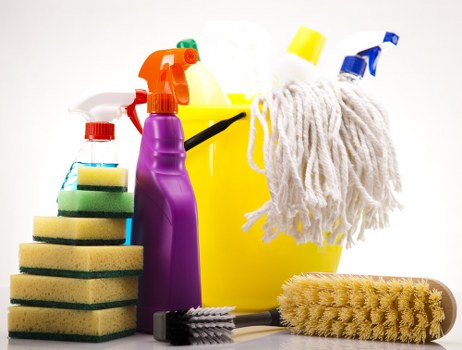
A simple cleaning routine can deliver strong results when done correctly. The exact methods may vary depending on fabric, but the basic structure remains similar. In professional and home settings alike, sofa cleaning in a careful sequence reduces mistakes and helps preserve upholstery quality.
1. Vacuum Thoroughly
Use a vacuum cleaner with a brush attachment or upholstery tool. Clean the top, sides, back, cushions, seams, and underside. Vacuuming removes loose debris that can interfere with stain treatment. For best results, move slowly and overlap passes to collect as much dust as possible.
2. Treat Spots and Stains
Choose a stain remover that is safe for the material. For water-safe fabrics, a mild solution of warm water and gentle detergent may work well. For oil-based marks, a specialized upholstery product may be needed. Sofa cleaning in stain-prone spaces often requires prompt action, since fresh spills are much easier to remove than set-in marks.
3. Clean the Fabric or Surface
Use a lightly damp cloth, sponge, or fabric-safe cleaning tool. Avoid over-wetting the upholstery, as too much liquid can lead to mold, odors, or water marks. Work in small sections and use circular or blotting motions, depending on the material. For leather, use a cleaner made specifically for that surface and follow with conditioner if recommended.
4. Dry Properly
Open windows, use fans, or allow natural airflow to speed drying. Never use excessive heat unless the care instructions explicitly allow it. Proper drying is essential to successful sofa cleaning in any fabric type, because lingering moisture can create new problems even after the visible dirt is gone.
Dealing with Common Sofa Stains
Everyday life brings spills, and a smart cleaning approach makes them far less stressful. Stains are one of the biggest reasons people seek sofa cleaning in both homes and offices. The key is to act quickly, use the right method, and avoid rubbing too hard. Blotting is usually better than scrubbing because it lifts the stain instead of spreading it.
Food and drink stains are among the most common. Coffee, tea, wine, juice, and sauce can leave visible marks if not addressed quickly. Blot the area gently and use an upholstery-safe cleaner based on the fabric type. For greasy foods, a mild degreasing cleaner may be helpful. For colored drinks, repeated blotting with a clean cloth can make a big difference.
Pet stains often require special attention because they can leave both discoloration and odor. Enzyme-based products may help break down organic residue and reduce lingering smells. In homes with pets, routine sofa cleaning in maintenance is essential, because accidents can occur repeatedly in the same spots. If the odor seems trapped deep in the cushion, professional cleaning may be the better option.
Other Frequent Stains
- Ink: Treat carefully with a fabric-safe product and minimal moisture.
- Grease: Use absorbent material first, then a suitable upholstery cleaner.
- Makeup: Gently lift residue without spreading pigments further.
- Mud: Let it dry before vacuuming and spot treating.
- Body oils: Clean armrests and headrests regularly to prevent buildup.
Odor removal is another major part of effective sofa cleaning in living spaces. Sofas absorb smells from pets, cooking, smoke, sweat, and dampness over time. Baking soda is sometimes used as a deodorizing aid on certain fabrics, but it should be applied carefully and only if compatible with the upholstery. Odors trapped deep inside cushions may need steam, extraction, or specialized treatment.
For delicate and high-value upholstery, gentle care matters more than aggressive methods. Vintage pieces, designer fabrics, and natural materials can be damaged by harsh products or too much water. A mild, tested approach protects the craftsmanship while still improving appearance. When in doubt, professional upholstery cleaning can offer a safer, more controlled result.
People often overlook the structural parts of the sofa, not just the visible surface. Cracks between cushions, wooden feet, frame edges, and hidden corners all collect dust. A thorough sofa cleaning in routine addresses the entire piece, not just the seat area. That broader attention creates a more hygienic and polished final result.
Professional Sofa Cleaning vs. DIY Cleaning
Both professional and DIY approaches have their place. Many homeowners can manage basic maintenance and spot treatment on their own. However, sofa cleaning in cases involving heavy staining, deep odor, or fragile materials may benefit from expert support. Professionals typically use specialized equipment, fabric-specific solutions, and extraction techniques that can reach deeper into the upholstery.
DIY cleaning is appealing because it is convenient and cost-effective. It works well for routine vacuuming, light stains, and surface maintenance. But if you are not sure how a fabric will react, or if the stain is old and stubborn, trial-and-error may create more damage than improvement. A thoughtful sofa cleaning in plan should balance what you can safely do yourself with what is better left to trained specialists.
Professional services can also save time in busy households and workplaces. Large sectional sofas, commercial lounge seating, and heavily used furniture can be difficult to clean thoroughly without strong tools. In those situations, the added efficiency and deeper clean often justify the service. The decision usually depends on the material, the severity of the issue, and how much time you want to spend on upkeep.
When Professional Cleaning Makes Sense
- Deep-set stains that do not respond to spot cleaning
- Strong odors that return after home treatment
- Allergy concerns requiring deeper allergen removal
- Delicate or expensive upholstery materials
- Large sofas or sectional sets that take too long to clean manually
Best Practices to Keep Sofas Cleaner for Longer
Maintenance is easier than restoration. One of the smartest parts of sofa cleaning in any home or office is preventing dirt from settling in the first place. Small habits add up and can significantly reduce how often you need deeper cleaning. These habits also help preserve the texture and color of the upholstery.
Use throws or washable covers in high-traffic homes, especially where children or pets frequently sit. Rotate cushions regularly if the design allows it, so wear is distributed evenly. Vacuum weekly, even when the sofa looks clean, because dust and crumbs are often invisible at first. If a spill happens, blot it immediately instead of waiting.
Sunlight can also affect sofa appearance. Too much direct sun may fade fabric or dry out leather. If possible, reposition furniture or use window treatments to limit exposure. Keeping your sofa in balanced conditions supports long-term upkeep and makes sofa cleaning in maintenance easier overall.
Simple Habits That Help
- Do not eat messy foods on the sofa if possible
- Keep pets groomed to reduce shedding and odor
- Vacuum under and around the sofa regularly
- Address spills within minutes, not hours
- Use fabric-safe protectants only when appropriate
For households with children, prevention becomes even more valuable. Juice spills, sticky hands, and snack crumbs are part of daily life, so having a quick response routine matters. Keep a clean cloth and a fabric-safe cleaner nearby for emergencies. In busy homes, sofa cleaning in small, frequent sessions is easier than waiting for a major buildup.
In office or hospitality spaces, presentation matters just as much as comfort. Guests and clients notice seating instantly, and a fresh-looking sofa can improve the perception of the entire environment. Regular upholstery care also supports cleanliness standards and helps maintain a more professional atmosphere. That is why many businesses schedule sofa maintenance as part of a broader interior upkeep plan.
When choosing cleaning products, look for formulas that are safe for your upholstery type and gentle enough for regular use. Harsh chemicals may remove dirt quickly, but they can also shorten the life of the fabric. A balanced approach to sofa cleaning in daily environments prioritizes both results and material care.
Final Thoughts on Keeping Sofas Fresh and Comfortable
A clean sofa is more than a visual improvement. It is part of a healthier, more comfortable, and more inviting environment. Whether you handle the task yourself or call in expert help, consistent sofa cleaning in your routine can protect your furniture and improve everyday living. Clean upholstery supports better air quality, better hygiene, and a better overall impression of the space.
The best results come from understanding your fabric, cleaning gently, and acting quickly when spills or odors appear. A well-maintained sofa can last longer, feel softer, and look better through years of use. That means more value from your furniture and less stress when life gets messy. If your sofa is overdue for attention, now is the right time to refresh it.
Book your service now if you want a cleaner, healthier seating area that looks great and feels even better. For those managing a busy home or a high-traffic workplace, Contact us today to take the next step toward a fresher interior. Smart sofa care is a small habit that creates a big difference.
Quick Recap
- Identify the upholstery type before cleaning.
- Vacuum regularly to remove dust and debris.
- Address stains quickly with safe, fabric-appropriate methods.
- Allow proper drying after each cleaning session.
- Schedule deeper cleaning when needed to maintain comfort and hygiene.
sofa cleaning in a thoughtful, regular way helps keep your furniture looking attractive and lasting longer. With the right habits and the right methods, you can enjoy a fresh, clean sofa that enhances your space every day.