Stain Removal in Everyday Spaces: Practical Methods for Cleaner Fabrics, Surfaces, and Upholstery
Stain removal is one of those household tasks that looks simple at first and then becomes frustrating the moment a spill spreads, settles, or dries. Whether you are dealing with food stains on clothing, ink on upholstery, grease on counters, or accidental marks on carpets, the right stain removal approach can save time, reduce damage, and restore a fresh appearance. Understanding stain removal in different materials matters because not all stains react the same way, and not every cleaning product is safe for every surface.
Effective stain removal starts with quick action, the correct technique, and a little knowledge about what caused the stain. A coffee spill on a cotton shirt needs a different method than a red wine stain on a sofa or an oil spot on tile. By learning how stain removal works, you can treat problems before they become permanent. Stain removal is not just about cleaning; it is about preserving fabric quality, surface finish, and the overall look of your home or wardrobe.
Many people search for stain removal solutions when a mess has already happened, but the best results often come from a mix of prevention, early treatment, and the right cleaning routine. In this article, we explore stain removal in detail, including the types of stains, the best methods for different materials, common mistakes, and practical tips that make cleaning easier. With the right stain removal habits, even stubborn spots can often be managed effectively.
Why Stain Removal Matters in Daily Life
Stain removal plays a major role in keeping your environment looking neat, hygienic, and well cared for. Stains can make clothes look worn, carpets appear dirty, and furniture seem older than it really is. Even a small mark can stand out, especially on light-colored fabrics or smooth surfaces. That is why stain removal is often less about appearance alone and more about maintaining the condition of the material.
Another reason stain removal matters is that some stains become harder to remove over time. Heat, sunlight, and friction can set a stain deeper into fibers or finishes. Once that happens, cleaning may require more effort and stronger products. Prompt stain removal is the easiest way to improve your chances of complete cleanup.
Stain removal also helps protect your investment. Clothing, upholstery, rugs, and flooring can be expensive to replace, so learning how to treat them properly can extend their lifespan. Whether you are a homeowner, renter, parent, or business owner, stain removal is a practical skill that pays off repeatedly.
Common types of stains
Different stains behave differently, and identifying the source helps you choose the best treatment. Some are water-based, while others are oil-based or protein-based. Knowing the category of the stain improves the success of stain removal and reduces the risk of spreading the mark.
- Food and beverage stains: coffee, tea, wine, sauces, juice, and chocolate
- Oil and grease stains: cooking oil, butter, cosmetics, and vehicle-related grease
- Protein stains: blood, sweat, eggs, milk, and dairy products
- Dye stains: ink, marker, paint, and colored liquids
- Outdoor stains: mud, grass, rust, and soil
How Stain Removal Works on Different Surfaces
Stain removal is not one-size-fits-all. The surface determines how the stain sits, how deeply it penetrates, and which cleaning products are suitable. Fabric stain removal often depends on fiber type, colorfastness, and whether the item is washable. Carpet stain removal requires careful blotting to avoid pushing the stain deeper. Hard-surface stain removal may be simpler, but the wrong cleaner can dull finishes or leave streaks.
For clothing, stain removal must balance effectiveness with fabric safety. Delicate fibers like silk and wool require gentler methods, while cotton and polyester can usually tolerate a wider range of treatments. For upholstery, stain removal should be tested on a hidden area first to make sure the fabric does not bleach or distort. Always check care labels and surface instructions before starting stain removal.
On hard surfaces like countertops, sinks, and tile, stain removal often focuses on lifting residue without scratching or discoloring the material. Natural stone, wood, and laminate each need different products. This is why a simple spray-and-wipe method may work in one area but fail in another. Understanding the surface is a key part of successful stain removal.
Why testing matters
Before applying any cleaner broadly, test it on a hidden spot. This small step can prevent fading, bleeding, warping, or surface damage. Test a stain removal product on seam allowances, backside corners, or an inconspicuous section. Wait for the area to dry and observe the result before continuing.
Useful rule of thumb
Blot first, scrub later. In most stain removal situations, aggressive rubbing can spread the stain or damage the material. Gentle blotting lifts excess residue, while controlled cleaning helps remove what remains.
Stain Removal by Stain Type

Successful stain removal starts with matching the method to the stain type. Some marks dissolve in water, while others need absorbent powders or targeted cleaning agents. A smart stain removal routine begins by identifying whether the stain is fresh or dry, oily or watery, and light or deeply colored.
Food and beverage stains are among the most common household issues. Coffee, tea, soda, and sauces can often be treated with a combination of cool water, mild detergent, and blotting. Red wine stains may benefit from immediate salt or absorbent treatment followed by a fabric-safe cleaner. The sooner you begin stain removal, the easier it is to lift the color before it binds to fibers.
Oil and grease stains need absorbent treatment first. Cornstarch, baking soda, or a dry paper towel can help pull oil from the surface before washing. Dish soap is often useful because it breaks down grease effectively. When it comes to stain removal, oil-based spots usually require patience and repeat treatment rather than a single quick wash.
Protein stains and their handling
Blood, egg, milk, and sweat are protein-based stains, and heat can set them permanently. Cold water is typically the safest starting point for stain removal in these cases. Hot water may cook the protein into the material, making the stain harder to remove. Use a gentle detergent and rinse thoroughly.
- Use cold water for protein stains
- Avoid heat until the stain is completely gone
- Work from the outside in to prevent spreading
- Repeat stain removal steps if needed rather than forcing the stain out quickly
Dye, ink, and marker stains
Dye-based stains are often some of the toughest to handle because they contain strong pigments designed to last. Ink and marker stain removal may involve alcohol-based products, but testing is essential because some fabrics and finishes react poorly. For clothing, placing a clean towel under the stain can prevent it from transferring to other layers during stain removal.
Practical Stain Removal Methods for Clothing
Clothing stain removal is often the first situation people think of, and for good reason. Shirts, pants, uniforms, and children’s clothing are exposed to spills every day. The goal is to remove the stain without shrinking, fading, or weakening the fabric. A few simple methods can handle many everyday stains effectively.
Start by blotting away excess liquid with a clean cloth or paper towel. Then flush the stained area with cool water if the fabric allows. Apply a small amount of liquid detergent directly to the stain and gently rub the fabric against itself or use a soft brush. For stubborn spots, allow the detergent to sit for several minutes before washing. Fresh stain removal is almost always easier than trying to rescue a dried stain later.
For greasy stains on clothing, absorb as much oil as possible before washing. A few drops of dish soap may help break down the grease. For mud, let the stain dry first, then brush off the excess before cleaning. For ink, place an absorbent towel underneath and dab carefully with a suitable cleaner. These techniques make stain removal more efficient and reduce the risk of spreading the mess.
Best habits for clothing stain removal
- Act quickly after the spill happens
- Check the garment care label before treating
- Use the correct water temperature for the stain type
- Avoid machine drying until the stain is fully removed
- Repeat stain removal rather than using excessive force
One of the biggest mistakes in clothing stain removal is tossing a stained garment into the dryer too soon. Heat can lock stains in place, especially on protein, oil, and dye-based spots. If a stain remains visible after washing, treat it again before drying. This simple step can make a major difference in the final result.
Stain Removal for Carpets, Rugs, and Upholstery
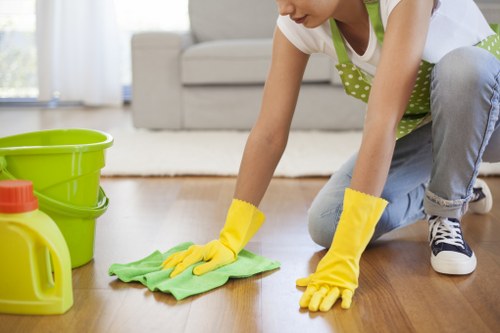
Carpet and upholstery stain removal requires careful handling because moisture can seep into the padding or stuffing underneath. The safest approach is usually to blot, lift, and dry the area as quickly as possible. Too much liquid can lead to deeper staining, odor, or even mold growth if the material stays damp.
For carpet stain removal, start by removing solids with a spoon or dull edge. Then blot the area with a clean white cloth. Apply a suitable carpet cleaner or a mild solution of detergent and water, but do not over-saturate the fibers. Use a blotting motion rather than scrubbing. Controlled stain removal protects the carpet texture and helps prevent ring marks.
Upholstery stain removal depends heavily on the fabric type. Synthetic upholstery often handles gentle cleaning solutions well, while natural fibers may need more delicate treatment. Always follow the manufacturer’s cleaning code if one is available. If the fabric is labeled with a solvent-only instruction, do not use water-based methods without testing. Stain removal on upholstered furniture is as much about caution as it is about cleaning power.
Helpful steps for soft surfaces
- Blot, never rub aggressively
- Use white cloths to avoid transferring dye
- Work from the outside of the stain inward
- Dry the area thoroughly after cleaning
- Repeat stain removal if the spot reappears as it dries
In many cases, a stain on carpet or upholstery may seem gone while the moisture underneath continues to draw residue back to the surface. If this happens, repeat the stain removal process and dry the area with airflow. A fan can help speed drying and reduce the chance of a return stain.
Stain Removal for Hard Surfaces
Hard-surface stain removal is usually simpler than fabric cleanup, but it still requires the right approach. Tile, glass, stainless steel, laminate, and sealed countertops all respond differently to cleaners. The main goal is to remove the stain without damaging the finish or leaving residue behind. A gentle cleaner often works better than a harsh one.
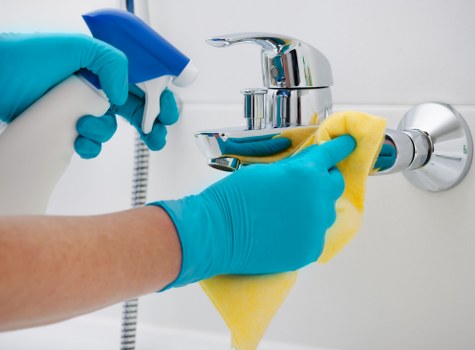
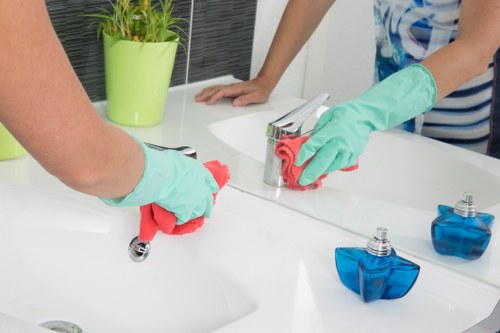
On glass and stainless steel, fingerprints, water marks, and food residue may look like stains but are often surface films. Wiping with a soft cloth and a suitable cleaner usually solves the problem. For tile and grout, stain removal may need a brush and a cleaner that can reach into porous areas. On sealed counters, avoid abrasive powders that could dull the surface.
Natural stone needs special care. Marble, granite, and similar materials can be sensitive to acidic cleaners like vinegar or lemon juice. While those products are popular for general cleaning, they are not always ideal for stain removal on stone. When in doubt, use a cleaner designed for the specific surface.
Preventing damage during stain removal
Surface protection is just as important as stain lifting. Use soft cloths, non-abrasive pads, and products made for the material you are cleaning. Rinse or wipe away residue thoroughly so the cleaner does not create a new mark. Proper stain removal should improve appearance without creating scratches, etching, or haze.
When to seek professional help
Some stains resist repeated home treatment, especially on delicate fabrics, antique upholstery, or expensive flooring. If a stain keeps spreading, changes color, or seems embedded in the material, professional stain removal may be the safest option. It can also be helpful for large spills, unknown substances, or surfaces that require specialized care.
Everyday Stain Removal Mistakes to Avoid
Even with good intentions, stain removal can go wrong when the wrong technique is used. One common mistake is scrubbing too hard. This can push the stain deeper or damage the surface texture. Another mistake is using too much cleaner, which may leave residue that attracts dirt later. Effective stain removal should be measured and methodical.
Using the wrong water temperature is also a frequent issue. Hot water may be helpful for some grease-related messes, but it can set protein stains. Similarly, using bleach without checking compatibility can discolor fabrics or weaken fibers. Smart stain removal means choosing the right method for the stain, not the strongest method available.
Another problem is waiting too long to treat the spill. Dried stains are harder to remove because particles bond more tightly to the material. If immediate cleaning is impossible, at least blot excess liquid and prevent the stain from spreading until proper treatment can begin. This small step improves the outcome of later stain removal.
Common errors in stain removal
- Rubbing instead of blotting
- Using heat too early
- Skipping a hidden-area test
- Mixing incompatible cleaning products
- Ignoring care instructions on labels
It is also important not to assume that one product works for everything. Stain removal products have different strengths and limitations. What works on cotton may be too harsh for silk, and what works on tile may be unsafe for stone. Taking a moment to identify the material can save time and money.
Natural and Household Options for Stain Removal
Many people prefer using common household items for stain removal because they are convenient and often affordable. Baking soda, vinegar, dish soap, and hydrogen peroxide are popular choices, but they are not universal solutions. Their success depends on the stain and the surface. Used correctly, these items can support effective stain removal in many situations.
Baking soda can help absorb odors and moisture, especially for grease or liquid spills. Dish soap is excellent for cutting through oily residue. Vinegar may help with mineral marks and some fresh stains, but it should be avoided on natural stone and certain delicate fabrics. Hydrogen peroxide can assist with some organic stains, but it may lighten fabrics, so testing is essential.
Natural stain removal methods are often best when they are used carefully and with realistic expectations. They may reduce the need for stronger chemicals, but they should still be applied thoughtfully. If a stain is old, dark, or chemically complex, a specialty cleaner may work better.
Simple stain removal routine at home
- Identify the stain and material
- Blot away excess residue
- Choose a cleaner that suits the stain type
- Test in a hidden area
- Apply, blot, rinse, and dry thoroughly
This basic stain removal routine can be used in many household situations. It creates a repeatable process that reduces guesswork and helps you respond calmly when accidents happen.
How to Build Better Stain Removal Habits
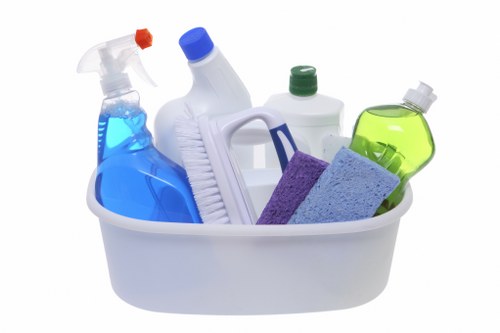
Good stain removal is easier when you already have the right supplies and habits in place. Keep paper towels, clean microfiber cloths, mild detergent, and surface-safe cleaners on hand. Store them in a convenient place so you can respond quickly when spills occur. Preparation makes stain removal more efficient and less stressful.
It is also helpful to read care labels and manufacturer instructions before you need them. Many people only check these details after a stain appears, but doing so ahead of time can prevent expensive mistakes. A few minutes of preparation can improve stain removal results and protect your fabrics and surfaces from unnecessary damage.
Consistency matters. The more often you use the same stain removal process, the easier it becomes to judge what works and what does not. Over time, you will learn which products perform well on different materials and which situations require extra care or professional treatment.
Quick stain removal checklist
- Act fast
- Blot gently
- Use the right cleaner
- Test first
- Dry completely
- Repeat if needed
Final thoughts on stain removal
Stain removal does not have to be intimidating. With the right methods, you can handle many common messes confidently and protect the items you use every day. Whether you are cleaning clothing, upholstery, carpets, or hard surfaces, the key is to match the stain removal technique to the material and the stain type. Careful stain removal leads to cleaner spaces, longer-lasting belongings, and fewer replace-and-rebuy moments.
If you want cleaner fabrics, fresher rooms, and fewer lingering marks, start with a simple stain removal plan and build from there. Keep the right supplies nearby, act quickly, and avoid harsh treatment that can make the problem worse. Contact us today if you need professional support, or Book your service now to get expert help with difficult stain removal challenges.