Upholstery Cleaning: A Practical Approach to Fresher, Healthier Furniture
Why Upholstery Cleaning Matters for Every Home and Business

Upholstery cleaning is one of those household and commercial maintenance tasks that often gets overlooked until stains, odors, or visible wear become impossible to ignore. Yet the fabric on your sofas, chairs, ottomans, and office seating plays a huge role in comfort, appearance, and indoor air quality. When upholstery is properly cleaned, it does more than make furniture look better; it helps preserve the material, reduce allergens, and create a more inviting space.
Many people assume that regular vacuuming is enough, but dust, body oils, spilled drinks, pet dander, and microscopic debris can settle deep into cushions and fibers. Over time, these contaminants build up and cause fabric to look dull and feel less fresh. That is why professional upholstery cleaning and smart routine maintenance matter. They help maintain the life of your furniture while supporting a cleaner environment indoors.
Whether you manage a busy family home, a rental property, or a commercial space, upholstery care should be part of your cleaning plan. Clean furniture supports a cleaner lifestyle, and it also sends a strong message about the quality and comfort of your space. If you want a noticeable difference in appearance and hygiene, upholstery cleaning is a smart place to start.
What Upholstery Cleaning Actually Involves
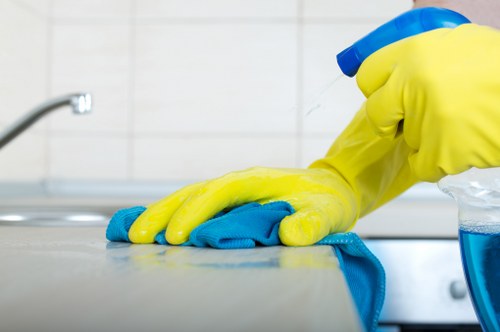
At its core, upholstery cleaning is the process of removing dirt, stains, odors, and contaminants from fabric-covered furniture. The exact method depends on the material, construction, and condition of the item. Some upholstery can be safely cleaned with low-moisture techniques, while others may require steam, extraction, or specialized spot treatment.
Unlike cleaning a hard surface, upholstery demands a more careful approach. Fabric type, dye stability, padding, seams, and decorative trims all need attention. A one-size-fits-all method can cause shrinking, fading, water rings, or texture changes. That is why a proper upholstery cleaning service begins with inspection and testing before any solution is applied.
Common upholstery fabrics include cotton, linen, microfiber, polyester, velvet, leather blends, and synthetic performance fabrics. Each material reacts differently to cleaning agents and moisture levels. For example, delicate fabrics may need a gentle dry-cleaning-style method, while durable synthetics can often handle deeper extraction. Understanding these differences is essential to safe and effective furniture cleaning.
Signs Your Furniture Needs Cleaning
It is not always obvious when furniture needs attention. Some signs are visible, while others are more subtle and develop gradually. If you notice any of the following, it may be time to schedule upholstery cleaning or begin a more thorough maintenance routine:
- Darkened fabric in high-touch areas such as armrests and headrests
- Persistent odors from pets, food, smoke, or moisture
- Visible stains from drinks, makeup, ink, or grease
- Increased dust or allergy symptoms indoors
- Flattened or matted fabric texture
- Furniture that looks older than it should, despite regular use
Odors are especially important to watch for because they often indicate trapped debris or bacteria beneath the surface. Even if a couch looks fine from a distance, upholstery cleaning can reveal just how much buildup is hidden inside the fibers. If your furniture has not been professionally treated in a while, the difference after cleaning can be dramatic.
For households with children or pets, these signs may appear faster. Spills and accidents happen, and the longer they sit, the more difficult they become to remove. Quick attention helps, but periodic deep upholstery cleaning is still valuable for restoring freshness and hygiene.
Benefits of Professional Upholstery Cleaning

There are many reasons people choose professional upholstery cleaning instead of relying only on store-bought sprays or home remedies. One of the biggest advantages is deeper soil removal. Furniture traps more than just surface dust; it can hold food crumbs, skin cells, pet hair, pollen, and other debris that standard cleaning tools may miss.
Another major benefit is appearance. Professional cleaning can brighten fabric, reduce visible stains, and restore color clarity. In many cases, a couch or chair that looked tired and worn can appear significantly refreshed after treatment. This is especially valuable for living rooms, reception areas, and offices where furniture contributes to the overall impression of the space.
Professional upholstery cleaning can also improve indoor air quality by reducing allergens and contaminants embedded in the fabric. That is especially helpful for people sensitive to dust or dander. Clean furniture may not be a medical solution, but it can certainly support a more comfortable and pleasant indoor environment. Cleaner upholstery means cleaner air in the spaces where you relax, work, and gather.
How Upholstery Cleaning Protects Your Investment
Furniture is an investment, and regular care helps protect that investment for the long term. Dirt and grit act like tiny abrasives that wear down fibers every time someone sits down or shifts position. Over months and years, that friction can cause premature fading, thinning, and texture damage.
With proper upholstery cleaning, these abrasive particles are removed before they can do lasting harm. That means fabric can keep its original look and feel for longer. In addition, timely stain treatment reduces the chance of permanent discoloration. The longer a spill remains untreated, the more likely it is to set into the material.
Routine furniture maintenance is often much less expensive than replacing sofas, lounge chairs, or office seating early. By scheduling upholstery cleaning at sensible intervals, you extend the lifespan of your furniture and reduce the need for costly replacement. In practical terms, that is a simple way to get more value from what you already own.
Common Upholstery Cleaning Methods

Different materials call for different upholstery cleaning methods. Knowing the options can help you understand what a provider may recommend or what approach is suitable for your own maintenance plan. The most common methods include:
- Vacuuming and dry soil removal — the first step for most fabrics, helping remove dust and loose debris.
- Spot cleaning — targeted treatment of stains using fabric-safe solutions.
- Hot water extraction — a deep-cleaning method that loosens embedded dirt and rinses it away.
- Low-moisture cleaning — ideal for fabrics that should not be overly saturated.
- Foam or encapsulation cleaning — used for some commercial or delicate applications.
- Leather cleaning and conditioning — a separate process that cleans while preserving flexibility.
Each method has strengths and limitations. For example, hot water extraction is excellent for durable fabrics, but it may not be appropriate for delicate upholstery. Low-moisture approaches reduce drying time, which can be helpful for busy homes and offices. A skilled technician will match the method to the material, ensuring the best balance between cleaning power and fabric safety.
Before any upholstery cleaning begins, it is important to identify the fabric code when available. These care labels often indicate whether the fabric can be cleaned with water, solvent, or both. Even without a label, experienced professionals can test a small hidden area to check colorfastness and reaction to treatment.
DIY Upholstery Cleaning: What You Can Do at Home
While professional upholstery cleaning is often the best option for deep soil removal, there are several things you can do at home to keep furniture in better condition between services. Regular care helps slow down buildup and keeps fabrics looking cleaner for longer.
A useful routine includes vacuuming upholstery weekly using the brush attachment, rotating cushions when possible, and blotting spills immediately with a clean white cloth. For light maintenance, a fabric-safe upholstery cleaner can be used according to the label instructions. Always test any product on a hidden area first.
Here are a few practical home care tips:
- Vacuum seams, crevices, and under cushions to remove trapped debris
- Blot, do not rub, fresh spills to avoid spreading stains
- Keep upholstery away from direct sunlight when possible to reduce fading
- Use washable throws or covers in high-use areas
- Address pet hair regularly with lint tools or rubber brushes
DIY upholstery cleaning can be helpful for maintenance, but it has limits. Household methods may improve surface appearance without reaching the deep layers where odors and buildup collect. For stubborn staining, heavy traffic, or delicate fabrics, it is usually safer to contact a professional.
Why Stain Removal Requires the Right Technique
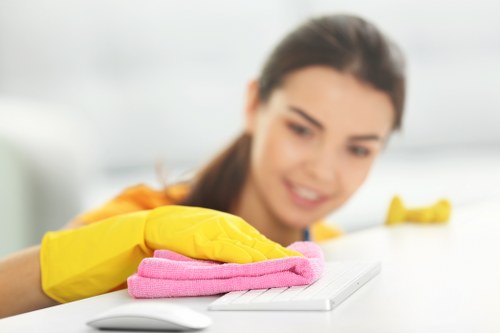
Stain removal is one of the most challenging parts of upholstery cleaning because different spills behave differently. Water-based stains, oil-based stains, protein-based stains, and dye transfers each require different treatment strategies. Using the wrong method can make the problem worse by spreading the stain or setting it deeper into the fibers.
For example, a soda spill may respond well to prompt blotting and a mild cleaning solution, while grease stains may need a degreasing product. Ink, makeup, wine, and pet accidents often need careful pre-treatment before extraction. Effective upholstery stain removal is as much about timing as it is about chemistry.
When a stain is older, it may have bonded to the fabric or padding. At that point, a surface treatment alone is unlikely to work. Professional upholstery cleaning services often use specialized pretreatments, agitation tools, and extraction methods to lift the stain without harming the material. The goal is always to restore the fabric while preserving its integrity.
Upholstery Cleaning for Homes with Pets and Children
Families with pets and children often need upholstery cleaning more frequently because furniture sees heavier daily use. Pets shed hair, track in dirt, and may occasionally leave odors or accidents behind. Children, meanwhile, are experts at creating mystery stains, sticky spots, and unexpected spills. That does not mean you have to sacrifice style or comfort; it simply means your furniture needs a smarter care routine.
Durable fabric choices can help, but even stain-resistant materials need maintenance. Pet dander and crumbs can still settle into cushions, and odor molecules can linger if not properly removed. Regular upholstery cleaning helps keep those issues under control and prevents buildup from becoming overwhelming.
For busy households, the best strategy is often a combination of quick daily care and periodic deep cleaning. Vacuum often, treat spills immediately, and schedule upholstery cleaning before the furniture begins to show significant wear. This approach keeps your home looking polished while making it easier to maintain a comfortable, welcoming atmosphere.
Commercial Upholstery Cleaning for Offices, Hotels, and Waiting Areas
Commercial spaces depend on appearance and hygiene. Office chairs, lobby seating, hotel furniture, and waiting room sofas can collect dirt quickly because of constant use. When upholstery looks stained or smells stale, it can negatively affect customer perception and employee comfort.
Commercial upholstery cleaning supports a cleaner, more professional image. It can help reduce allergens in shared spaces, extend the life of seating, and maintain consistency across the environment. In businesses where first impressions matter, clean furniture contributes to trust and credibility.
Regular upholstery maintenance is especially important in high-traffic settings because buildup happens faster than in a typical home. A planned schedule makes it easier to stay ahead of wear and keep furnishings in presentable condition year-round. Businesses that invest in clean, well-maintained seating often benefit from a better overall atmosphere.
How Often Should Upholstery Be Cleaned?
The ideal frequency for upholstery cleaning depends on usage, fabric type, and the presence of pets, children, or allergy concerns. In many homes, a professional cleaning once every 12 to 18 months is a reasonable starting point. However, high-use items such as family sofas or dining chairs may need attention more often.
Commercial upholstery may require cleaning every few months or on a set maintenance schedule. Heavy traffic can quickly dull fabrics, and routine care helps prevent deep soil from becoming embedded. A lighter, more frequent approach is often more effective than waiting until furniture looks heavily soiled.
Here is a simple way to think about timing:
- Low-use furniture: every 18 to 24 months
- Moderate-use home furniture: every 12 to 18 months
- High-use family furniture: every 6 to 12 months
- Commercial seating: based on traffic and visible wear
If you are unsure, inspect your furniture regularly. Once stains, odors, or dullness become noticeable, it is time to plan upholstery cleaning sooner rather than later.
Choosing the Right Upholstery Cleaning Service
Not all cleaning services offer the same level of care, and choosing the right provider matters. A reliable upholstery cleaning company should begin with a fabric assessment, explain the recommended method, and avoid promising unrealistic results. Good communication and attention to detail are signs of professionalism.
When comparing services, look for knowledge of fabric types, stain treatment options, drying expectations, and safety practices. The provider should be comfortable discussing what can and cannot be removed. Transparent expectations build confidence and help you understand what results are realistic for your furniture.
It is also wise to ask how the cleaning process addresses drying time, odor removal, and delicate materials. A careful approach matters more than rushing through the job. The best upholstery cleaning services focus on protecting fabric while improving appearance, cleanliness, and comfort.
What to Expect During a Professional Visit
A standard upholstery cleaning appointment usually starts with an inspection of the furniture. The technician may check the fabric type, note stains or problem areas, and identify any pre-existing wear. This step helps determine the safest and most effective cleaning method.
Next comes dry soil removal, which often includes vacuuming seams, cushions, and surface areas. After that, the technician may apply pre-treatment to stains or heavily soiled sections. Depending on the method selected, the cleaning process may involve agitation, extraction, low-moisture treatment, or spot detailing. The furniture is then left to dry under appropriate conditions.
Good technicians also provide aftercare advice. That may include waiting before using the furniture, keeping the area ventilated, or avoiding certain products for a short period. These instructions help protect the results of the upholstery cleaning and reduce the chance of quick re-soiling.
How to Keep Upholstery Cleaner for Longer
After upholstery cleaning, a few simple habits can help keep furniture cleaner for longer. Prevention is often easier than correction, especially in busy households. Small changes in routine can make a noticeable difference over time.
One effective step is to establish “no food or drinks” zones on certain pieces of furniture, especially light-colored items. Another is to vacuum regularly so dust and debris do not accumulate. You can also use fabric protectors when appropriate, although these should be chosen carefully based on the upholstery type.
Other useful maintenance habits include:
- Wiping pet paws before they jump onto furniture
- Using armrest covers in high-touch areas
- Addressing spills within minutes, not hours
- Keeping windows shaded to reduce sun damage
- Scheduling periodic professional upholstery cleaning before buildup becomes severe
Consistency is the key. The more attention you give to routine care, the less likely your furniture is to develop stubborn stains or premature wear. That means better appearance, better comfort, and better long-term value.
Final Thoughts on Upholstery Cleaning
Upholstery cleaning is more than a cosmetic service. It supports a healthier indoor environment, preserves the life of your furniture, and helps your home or business look well cared for. From stain removal and odor control to allergen reduction and fabric protection, the benefits are wide-reaching.
If your couch has lost its freshness, your office chairs look tired, or your favorite armchair has seen better days, now is a smart time to take action. A thoughtful upholstery cleaning routine can transform the way your space looks and feels. With the right care, your furniture can stay comfortable, attractive, and inviting for much longer.
Whether you prefer regular home maintenance or help from a professional service, the important thing is not to wait too long. Book your service now or contact us today to take the next step toward cleaner, fresher upholstery that supports your space every day.