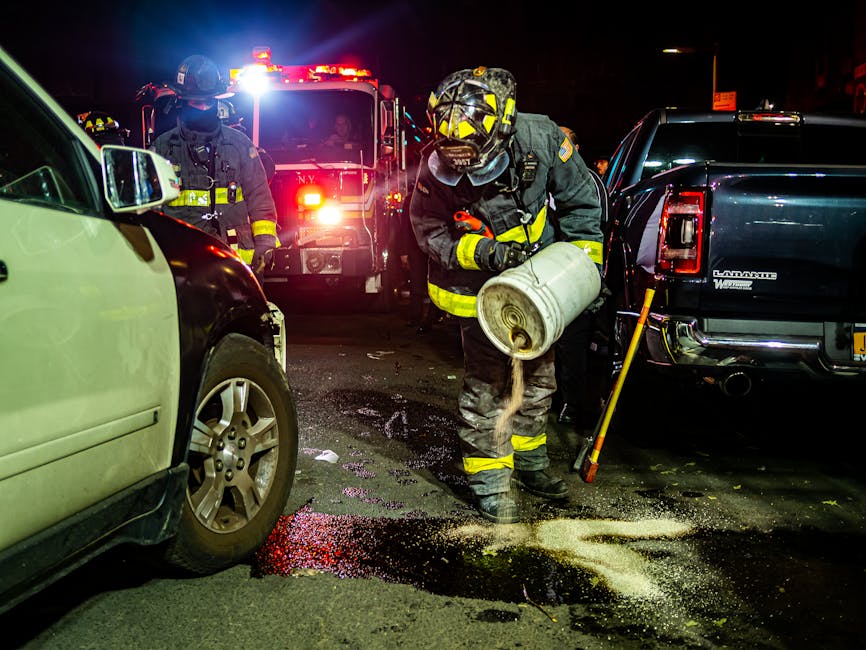
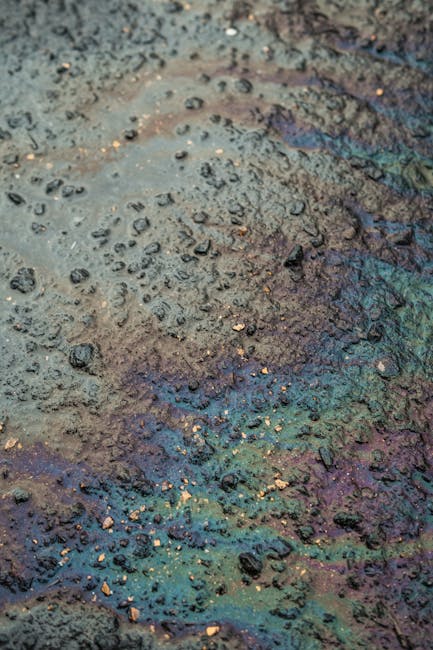
Emergency spill cleanup near Bond Street, Mayfair: fast action, safe recovery, and what to do next
A spill in Mayfair is never just a spill for long. In a high-value area like Bond Street, even a small incident can interrupt foot traffic, damage flooring, create slip risks, and leave a very visible mess in a setting where presentation matters. If you are looking for Emergency spill cleanup near Bond Street, Mayfair, you probably need calm advice, a rapid response, and a clear idea of what happens next.
This guide explains how emergency spill response works, which situations need immediate attention, what good cleanup looks like, and how to avoid costly mistakes. It also covers practical considerations for homes, shops, offices, and managed buildings nearby, along with the service pages and support information that can help you choose the right next step. For a broader look at the company and the services around this area, you may also want to review the services overview and the main Mayfair blog.
Quick takeaway: the best spill cleanups are fast, contained, and appropriate to the material involved. The wrong approach can spread the stain, damage fibres or finishes, and make the area harder to restore.
Why emergency spill cleanup near Bond Street, Mayfair matters
Bond Street sits in one of London's most polished and heavily used districts. That matters because spill incidents there are rarely private problems for long. A leaked drink in a reception area, a food spill in a townhouse, cleaning product overflow in a corridor, or a broken container in an office can become a safety issue very quickly. In mixed-use streets and elegant buildings, the practical challenge is not only removal; it is doing so discreetly, safely, and without creating secondary damage.
There are three main reasons speed matters.
- Slip risk: wet floors are an obvious hazard, especially on polished stone, tile, vinyl, and sealed timber.
- Stain setting: the longer a spill sits, the more likely it is to bond with fibres, grout, or porous surfaces.
- Reputation and disruption: in retail, hospitality, and office settings, a visible spill can affect customer confidence and daily operations.
Bond Street and the wider Mayfair area also feature a lot of premium materials: wool carpet, upholstery, marble, engineered wood, decorative finishes, and heritage details. These surfaces often require more care than a standard mop-and-wipe approach. That is why a rushed mistake can be more expensive than the original spill.
If the incident has happened in a residential property, a managed apartment, or a commercial premises, a relevant local cleaning page can help you decide what type of support you need. For example, ongoing support for homes may sit alongside house cleaning in Mayfair, while businesses may need a more structured approach through office cleaning for the area.
How emergency spill cleanup near Bond Street, Mayfair works
Good spill cleanup is methodical. It is not just about making the surface look dry. It is about identifying the substance, protecting people, isolating the area, removing contamination, and checking for hidden residue. The exact process varies depending on whether the spill is water-based, oily, sugary, acidic, chemical, or biological.
The usual response sequence
- Assess the spill: identify what has been spilled, where it has spread, and whether it has soaked through.
- Make the area safe: warn people away, put out signage if available, and stop anyone walking through the spill.
- Contain it: prevent the liquid from spreading into adjoining rooms, corridors, or lift areas.
- Use the right method: blotting, neutral cleaning, extraction, absorbent materials, or specialist treatment, depending on the substance.
- Dry and inspect: check for moisture below the surface, odour, residue, or discoloration.
- Restore the area: return furniture carefully, open ventilation where appropriate, and confirm the surface is safe to use.
The right technique depends heavily on the material. Coffee on a carpet is a different problem from cooking oil on a kitchen floor or bleach on upholstery. This is why experienced cleaners do not treat all spills the same way. They look at the chemistry, the fibre, and the finish before deciding how to act.
In practice, emergency spill response may overlap with other services. For example, if the spill affects a sofa or armchair in a reception room, upholstery cleaning in Mayfair may be the right follow-up. If the spill affected a rental property nearing the end of a tenancy, a deeper reset may be more suitable through end of tenancy cleaning in Mayfair.
Key benefits and practical advantages
The obvious benefit is that the mess disappears. The real benefit is that the property is protected from the consequences of leaving the spill untreated or poorly handled. In a premium area, those consequences can be disproportionately expensive.
| Outcome | Why it matters | What good cleanup achieves |
|---|---|---|
| Surface protection | Prevents staining, corrosion, warping, or fibre damage | Uses the right method for the material and substance |
| Safety | Reduces slip and trip risk for residents, staff, or visitors | Removes moisture and residue thoroughly |
| Presentation | Important for retail, hospitality, and client-facing spaces | Restores a clean, professional look |
| Speed | Limits disruption and keeps the premises usable | Prioritises urgent containment and efficient treatment |
| Cost control | Early action often prevents deeper restoration work | Minimises the chance of long-term damage |
There is also a subtle benefit that owners and managers sometimes overlook: peace of mind. A person who knows the spill has been handled properly can stop worrying about what might be soaking underneath, what will smell later, or whether a stain will reappear after drying. That calm matters.
For landlords, agents, and homeowners in the area, a well-kept property also supports wider asset value and tenant satisfaction. If you are thinking more broadly about property standards in the district, the article on Mayfair property as an investor's guide offers useful local context.
Who this is for and when it makes sense
Emergency spill cleanup is not only for businesses. It is relevant to any property where the spill is urgent, risky, or potentially damaging. In Mayfair, that often includes a mix of domestic, commercial, hospitality, and managed spaces.
Typical situations where urgent help makes sense
- A drink is spilled across carpet in a reception room or office.
- Food, wine, coffee, or grease lands on upholstery or rugs.
- Cleaning chemicals leak on a hard floor and need careful neutralisation.
- A guest, tenant, or employee drops a container in a high-traffic area.
- Water from a burst appliance or overfilled container begins seeping into flooring.
- A spill appears small but has soaked into underlay, seams, or grout lines.
It also makes sense when the property is difficult to access, time-sensitive, or visibly important. Bond Street is not the kind of place where a visibly soiled entrance can be ignored until next week. Let's face it: in a premium setting, "we'll deal with it later" is usually the most expensive sentence in the room.
If you are managing a home, you may also want to compare emergency cleanup with ongoing domestic support such as domestic cleaning in Mayfair. If the spill happened during a move-out or after a gathering, the broader service mix may matter more than a single spot treatment.
Step-by-step guidance
If a spill happens now, the priority is to act without making the problem worse. The best response is often simple, but it must be done in the right order.
1. Stop the spread
Move people away from the area. If there is liquid on a floor, do not keep walking through it to "have a better look." That often pushes the spill farther than expected.
2. Identify the substance
Try to establish whether it is water, a beverage, oil, food, paint, bleach, detergent, bodily fluid, or something else. This is not an academic exercise. Different materials need different handling. When in doubt, treat it cautiously.
3. Protect the surface
Use absorbent material where appropriate, but do not rub aggressively. Blotting is often safer than scrubbing, especially on carpet and upholstery. Scrubbing can spread the stain deeper and damage the pile.
4. Check for hidden spread
Look at edges, skirting boards, seams, under furniture, and joins in flooring. Spills often travel farther than the visible patch suggests. On carpet, the top may look manageable while the underlay remains damp.
5. Decide whether the job is routine or specialist
A water spill on a sealed hard floor may be manageable with prompt drying. A protein spill, oil spill, chemical spill, or large stain on premium materials usually needs specialist attention. That is the point where a fast, professional response starts making financial sense.
6. Dry and ventilate safely
Use ventilation where it is suitable for the room and material. Do not apply heat indiscriminately. Heat can lock in stains, distort materials, or cause odours to linger.
7. Inspect after treatment
Check whether the area feels dry, smells normal, and looks clean under good light. A spill is not fully resolved just because the top layer looks better.
For readers comparing service options, this is where carpet cleaning in Mayfair often becomes the sensible next step after emergency extraction, especially if the spill has left a mark or residue in fibres.
Expert tips for better results
Most damage from spills comes from well-meant mistakes, not the spill itself. A few practical habits can make a big difference.
- Act quickly, but calmly. Panicking tends to spread the mess.
- Test cleaning products first. Even mild products can affect dyes, stone, or finishes.
- Work from the outside in. This reduces the chance of enlarging the stain.
- Use the least aggressive method first. You can always escalate if needed.
- Document the issue if it affects a managed property. Photos help with landlord, insurer, or building management discussions.
- Keep ventilation sensible. Fresh air helps drying, but strong airflow can also push odours or moisture into adjoining spaces.
A small but useful observation: premium interiors often hide expensive complications. A light-coloured carpet may be forgiving in some cases, while a polished stone floor may show a chemical reaction immediately. If you are unsure, stop before the first "quick fix" becomes a bigger restoration job.
For those who prefer to understand the provider before booking, the about us page is a useful place to start. You can also review the insurance and safety information and the health and safety policy for extra reassurance.
Common mistakes to avoid
Spills look simple. That is precisely why people make avoidable errors. Here are the ones that most often create extra work.
- Rubbing instead of blotting: this can push the liquid deeper into fibres or spread it across a larger area.
- Using the wrong chemical: bleach, solvent sprays, or strong household cleaners can cause discolouration or damage.
- Waiting too long: delays make stains harder to remove and increase the chance of odour.
- Ignoring the underlayer: moisture below the surface can lead to lingering smell or damage that appears later.
- Assuming all floors behave the same: natural stone, vinyl, timber, and carpet respond differently.
- Forgetting the surrounding area: spills often travel into corners, trim, rugs, and adjacent furniture.
A more subtle mistake is trying to judge success too early. The area may look fine at first but show a tide line or residue once dry. That is especially common with sugary drinks, oils, and certain cleaners. If there is any doubt, a more thorough treatment is better than a cosmetic quick fix.
If a spill becomes a complaint issue in a rental or managed property, the website's complaints procedure can also be useful as part of an organised response, especially where multiple parties are involved.
Tools, resources and recommendations
You do not need a warehouse of equipment to deal with a minor spill, but the right tools matter. Professional cleaners use materials selected for the surface, the substance, and the time available.
Useful tools and materials
- Absorbent cloths or pads for initial containment
- Wet vacuum or extraction equipment where suitable
- Appropriate neutral cleaning solutions
- Protective gloves when the spill could irritate skin
- Floor signs or simple barriers for safety
- Microfibre cloths for controlled drying and residue removal
- Specialist products for carpets, upholstery, or hard surfaces
Recommendations should always be matched to the surface. A wool rug, for example, is not the same as a sealed office floor. If the spill has affected soft furnishings, the right follow-up may be specialist upholstery cleaning. If the issue is broader and you need ongoing upkeep after the emergency, it can help to understand the wider maintenance offer on the services page.
For those comparing prices, the pricing and quotes page is the right place to check how estimates are handled. If you want a simpler overview of current offers, you can also look at the exclusive rates page.
Law, compliance, standards, or best practice
Not every spill is a legal issue, but some can carry compliance implications. In a commercial or managed setting, the duty to keep people safe usually means the area should be made secure quickly, and cleaned to a standard that reduces foreseeable risk. That is just sensible practice, and it aligns with the general expectations most property managers already work to in the UK.
Where the spill involves chemicals, bodily fluids, or any substance that could present a health hazard, the response should be more cautious. Appropriate protective equipment, safe disposal, and clear area control matter. If a substance is unknown, it should not be guessed at or casually mixed with other products. That is one of the quickest ways to create fumes, stains, or surface damage.
In buildings with shared access, the person responsible for the premises may also need to consider resident or tenant communication, signage, and incident logging. For larger properties, a simple written record of what happened, when it was addressed, and which areas were affected can be surprisingly useful later.
If you want a clearer view of how the business handles trust, operations, and customer-facing procedures, pages such as the payment and security information, terms and conditions, and privacy policy provide useful context.
Options, methods, or comparison table
Not every spill requires the same level of response. Sometimes a simple cleanup is enough. Other times, a specialist visit saves the surface from long-term damage. The best choice depends on the spill type, the material, and the urgency.
| Method | Best for | Strengths | Limitations |
|---|---|---|---|
| Immediate blotting and drying | Small water-based spills on resilient surfaces | Fast, low-cost, practical | May be insufficient for staining or deep soak |
| Spot cleaning with suitable solution | Minor food or drink spills on stable materials | Targets the visible mark | Risky if the wrong product is used |
| Extraction cleaning | Carpet, rugs, and some upholstery | Removes moisture and residue more deeply | Not suitable for every fabric or finish |
| Specialist treatment | Chemicals, oils, protein spills, or premium surfaces | Best chance of protecting the material | May take more time and expertise |
For a local home or office, the main question is not "What is the cheapest method?" It is "What will remove the spill properly without creating a second problem?" That distinction matters more than many people realise. In premium interiors, damage from an incorrect method can outlast the original stain by years.
Case study or real-world example
Consider a realistic scenario near Bond Street: a guest in a small meeting room knocks over a dark drink onto a light carpet. Staff notice quickly, but the spill has already spread under the edge of a chair and toward the skirting. The first instinct is to rub the area harder and add more water. That often makes the mark larger.
A better response is to clear the area, blot the spill carefully, check the underside of the carpet edge if accessible, and decide whether the stain needs professional extraction. If the carpet is wool or the drink contains sugar, tannins, or milk, the risk of residue is much higher than it looks at first glance.
In this kind of situation, a skilled cleaner would focus on containment, controlled treatment, and drying rather than aggressive scrubbing. The outcome is usually better, the room returns to service sooner, and the chance of a persistent stain is much lower. Simple enough on paper; trickier in real life, which is why a measured response is so useful.
For businesses close to the area, the needs often overlap with routine maintenance. The local carpet cleaning service and broader office cleaning support can help maintain a consistent standard after an emergency incident.
Practical checklist
Use this simple checklist if a spill happens and you need to act quickly.
- Move people away from the spill zone.
- Identify the spilled substance if possible.
- Stop the spread using safe absorbent materials.
- Avoid rubbing the area aggressively.
- Check surrounding edges, seams, and under furniture.
- Use only suitable cleaning products for the surface.
- Dry the area carefully and allow ventilation where appropriate.
- Inspect for odour, residue, or staining after drying.
- Escalate to specialist help if the material is delicate or the spill is significant.
- Document the incident if the property is managed or shared.
Expert summary: the safest spill response is usually the one that protects the surface first, then restores appearance second. If the material is valuable, delicate, or heavily used, caution saves money.
Conclusion
Emergency spill cleanup near Bond Street, Mayfair is about more than removing a mark. It is about protecting flooring, furniture, and reputation in an area where appearance and speed both matter. The right response limits slip risk, reduces staining, and avoids the kind of hidden damage that only appears after the room has gone back into use.
If you remember nothing else, remember this: identify the spill, contain it fast, and choose the method that suits the surface. That approach is simple, but it is usually the difference between a minor incident and a lingering repair problem.
For local support, service information, or to compare options before booking, review the relevant pages linked above and choose the level of help that matches the material and urgency of the spill.
Get a free quote today and see how much you can save.
Frequently Asked Questions
What counts as an emergency spill cleanup?
An emergency spill cleanup is any incident that creates immediate safety, staining, odour, or damage risk. That includes liquid on floors, upholstery, rugs, carpets, or surfaces that may react badly if left untreated.
How fast should spill cleanup happen near Bond Street, Mayfair?
As fast as possible. The first few minutes usually matter most because they limit spread, reduce slip risk, and improve the chance of full stain removal.
Can I clean a carpet spill myself?
Sometimes, yes, if the spill is small, water-based, and on a resilient carpet. But if the stain is oily, acidic, chemical, or already soaked in, a professional approach is often safer.
Why do some spills get worse after they dry?
Because residue can rise back to the surface as moisture evaporates. This is common with sugary drinks, oils, and certain cleaning products.
Is emergency spill cleanup different from normal carpet cleaning?
Yes. Emergency cleanup focuses on urgent containment and immediate risk reduction, while routine carpet cleaning is usually planned maintenance.
What if the spill is on upholstery instead of the floor?
Upholstery can absorb liquid quickly and may need specialist treatment. A targeted service is usually better than treating it like a hard floor.
How do I know whether a spill has soaked underneath the surface?
Check the feel, smell, and edges of the affected area. If the surface is still damp after blotting, or if the stain expands, moisture may have penetrated deeper.
Are chemical spills more serious than food or drink spills?
Often, yes. Chemical spills may require careful handling to avoid surface damage, fumes, or unsafe residue. They should be treated cautiously until identified.
Do I need to tell my landlord or building manager about a spill?
If the property is rented, shared, or managed, it is usually sensible to report a significant spill, especially if there is risk of damage or complaint later.
How can I reduce the chance of permanent staining?
Act quickly, blot rather than rub, use the right product for the surface, and avoid harsh chemicals. If in doubt, seek specialist help before the stain sets.
What should businesses near Bond Street do after a spill?
Businesses should make the area safe, clean it promptly, document the incident if needed, and bring in specialist support if the spill affects customer-facing space or premium flooring.
Where can I find trustworthy service information before booking?
You can review the company's service pages, pricing information, safety documentation, and about page to understand the approach before making a decision.