Dry-clean vs steam for Mayfair luxury rugs: quick guide
If you own a luxury rug in Mayfair, you already know the problem: it is beautiful, expensive, and oddly easy to damage with the wrong cleaning method. The choice between dry-clean and steam is not just a technical detail. It can decide whether the fibres stay crisp and rich, or end up flattened, dulled, or worse. This quick guide on Dry-clean vs steam for Mayfair luxury rugs: quick guide breaks down what each method does, which rugs suit which treatment, and how to make a sensible decision without guessing. Truth be told, that guesswork is where a lot of avoidable damage starts.
We will cover the practical differences, the benefits and risks, when each method makes sense, and what to ask before you hand over a rug that may have been in the family for years. If you want a broader look at rug care or related services, you may also find our rug cleaning and steam carpet cleaning pages useful as background.
Why Dry-clean vs steam for Mayfair luxury rugs: quick guide Matters
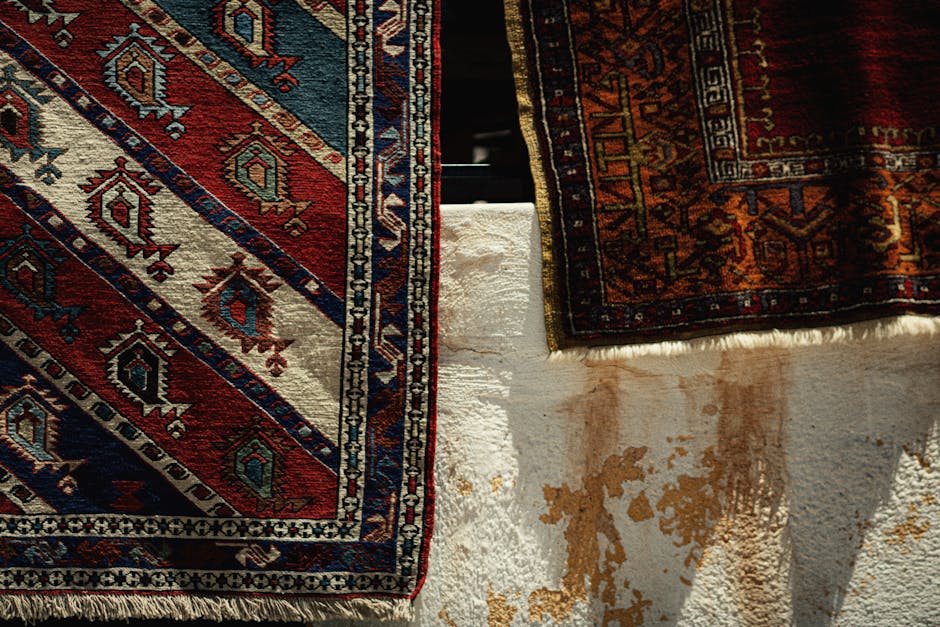
Luxury rugs are not all built the same. A hand-knotted silk blend rug, a fine wool Persian-style piece, a viscose rug, and a delicate antique floor covering all react differently to heat, moisture, detergents, and agitation. In a place like Mayfair, where interiors often mix heritage details with modern finishes, rugs tend to be part investment, part design statement, and part everyday comfort. That means the wrong cleaning method can affect not only appearance, but value.
Dry-cleaning and steam cleaning are often discussed as if one is always better. That is too simple. Dry-cleaning can be gentler for moisture-sensitive fibres and colourways. Steam cleaning can be very effective for soil removal, freshness, and deeper flushing of some robust rug types. But the method must suit the construction, backing, dyes, and condition of the rug. Otherwise, you may trade surface dirt for hidden problems like dye bleed, shrinkage, fibre distortion, or a lingering damp smell. Not ideal, obviously.
For Mayfair homes and apartments, there is another layer too: access. You may have stairs, lifts, limited drying space, or a schedule that does not leave much room for long disruption. So the best approach is not just about chemistry and heat. It is about practical living, timing, and protecting the room around the rug. The best results usually come from matching the method to the rug, not the other way around.
Expert summary: For delicate luxury rugs, dry-cleaning is often the safer first consideration. For sturdy wool rugs with embedded soil, controlled steam cleaning can work well if the rug is tested and dried properly. The right call depends on fibre, dyes, construction, and the rug's condition.
How Dry-clean vs steam for Mayfair luxury rugs: quick guide Works
The two methods use very different mechanics, even if the end goal sounds similar. Understanding the process helps you judge which one suits your rug rather than just taking a generic recommendation.
Dry-cleaning for rugs
Rug dry-cleaning usually means cleaning with minimal water. A specialist may use a solvent-based or low-moisture system, depending on the rug and the level of soiling. The rug is first assessed for fibre type, dye stability, stains, and structural issues. Then the cleaner uses a suitable product to loosen grime, grease, and spot marks with controlled application. The rug is typically agitated lightly, extracted or blotted, and then carefully dried.
The big appeal here is control. Less water means less risk of dye migration, backing shrinkage, rippling, or long drying times. That makes dry-cleaning especially useful for silk, semi-silk, antique pieces, delicate handwork, and rugs that have already been weakened by age or previous cleaning attempts.
Steam cleaning for rugs
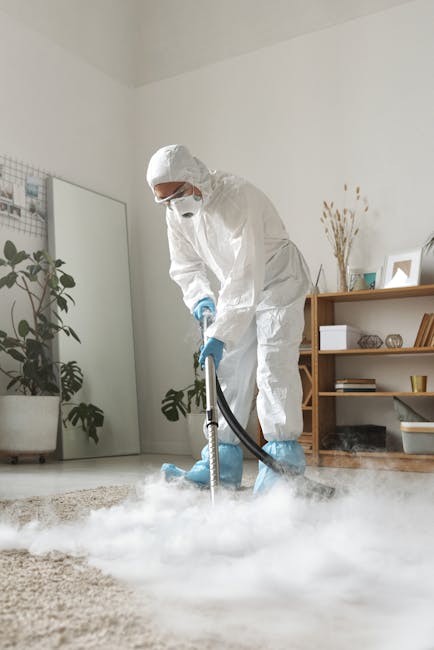
Steam cleaning, in professional rug care, usually means a hot water extraction or low-moisture steam-based process rather than the home-version steam mop people sometimes imagine. It introduces heated water and cleaning solution into the fibres, then extracts the loosened soil and moisture. Done well, it can lift embedded dirt and refresh dense pile. Done badly, it can over-wet the rug. There is a difference, and quite a big one.
Steam cleaning is often better suited to robust wool rugs or synthetic rugs that can tolerate moisture and heat. It can be very effective where the rug is heavily trafficked, has deeper soiling, or needs a more thorough rinse after spill treatment. But it is not a universal answer. Some rugs simply do not like heat and water. You can usually tell when a rug is being punished rather than cleaned. The smell, the texture, the way the fibres dry unevenly... not good.
What happens before any cleaning starts
A proper specialist will not just jump in with a machine. They should inspect the rug, test for colourfastness, check for moth damage or weak edges, and identify fibre content as accurately as possible. That first assessment matters more than people think. It is the difference between a careful restoration-style clean and a risky one-size-fits-all service.
If your rug is part of a wider fabric care plan for a Mayfair property, related services like stain removal, pet stain odour removal, or even upholstery cleaning may be relevant too, especially if the room has more than one textile surface needing attention.
Key Benefits and Practical Advantages
There is no perfect method for every rug, but each approach has advantages when used in the right situation. Let's keep it practical.
Why choose dry-cleaning?
- Lower moisture exposure: Helpful for silk, antique, and dye-sensitive rugs.
- Less risk of shrinkage: Particularly relevant for older or handcrafted pieces.
- Faster return to use: Often useful in busy Mayfair homes where rooms cannot stay out of action for long.
- Better for fragile construction: Less stress on seams, fringes, and weak backing.
- Controlled treatment of spots: Useful when stains are localised rather than widespread.
Why choose steam cleaning?
- Deep soil removal: Good for rugs that hold dust, grit, and everyday build-up.
- Freshening effect: Can help remove stale odours and general stuffiness.
- Useful for sturdier rugs: Especially wool or synthetic pieces in active living areas.
- Rinse capability: Can remove more residue if a rug has been exposed to spills or previous cleaner build-up.
There is also a lifestyle angle. In a polished Mayfair flat, people often want a rug to look immaculate but not obviously "cleaned." Over-cleaning can make a rug look tired in a different way, with over-bright patches or a stiff hand-feel. The best outcome is usually subtle. The rug still looks like itself, just healthier.
Who This Is For and When It Makes Sense
This guide is for anyone deciding how to care for a valuable rug without gambling on the result. That includes homeowners, landlords, interior designers, and anyone looking after a property with high-end finishes. It is especially relevant if your rug is:
- handmade or hand-knotted
- silk, viscose, or a delicate blend
- antique or inherited
- wool with dense pile and visible traffic marks
- in a formal room where appearance matters as much as hygiene
- showing signs of odour, spill marks, or uneven dullness
Dry-cleaning often makes sense when the rug is delicate, valuable, or unstable. Steam cleaning makes sense when the rug is sturdy, heavily soiled, and needs a deeper clean rather than a surface refresh. If you are staring at the rug and thinking, "I have no idea what this is made of," that is your cue to stop and assess before doing anything irreversible. Honestly, that pause can save a lot of money.
It also makes sense to consider the room. A dining room rug with food spills and sticky residue may benefit from deeper extraction. A bedroom rug with light dust and a soft, luxurious pile may only need careful low-moisture treatment. Different room, different story.
Step-by-Step Guidance
Here is a sensible way to choose between dry-clean and steam cleaning without overcomplicating it.
- Identify the rug fibre. Wool, silk, viscose, cotton, synthetics, and blends all behave differently. If you do not know, get it checked.
- Look at the dyes. Bright reds, deep blues, and natural dyes can be more prone to bleeding. Testing matters.
- Check the rug's age and condition. Fringe wear, weak corners, thin patches, and repaired sections all influence risk.
- Assess the type of soiling. Dry dust is different from grease, pet accidents, water stains, or food spills.
- Decide how much moisture the rug can tolerate. If drying space is poor or the rug sits over delicate flooring, that matters too.
- Choose the least aggressive method that will still solve the problem. Not the fanciest one. The safest useful one.
- Ask about testing. A colourfastness test on a small hidden area is a very good sign.
- Plan drying and aftercare. Even a great clean can be spoiled by poor drying.
A quick way to think about it: if the rug is fragile and the issue is mainly surface contamination, dry-cleaning often wins. If the rug is robust and the issue is deep soil or trapped residue, steam cleaning can be more effective. Simple enough, though real rugs love to complicate things.
Expert Tips for Better Results
After years of handling fine fabrics, one pattern shows up again and again: the cleanest-looking rug is not always the one that was treated most aggressively. Gentle, careful work tends to age better.
- Ask for pre-testing every time. Especially with luxury rugs, this should feel normal, not optional.
- Do not over-clean "just to be safe." More cleaning can mean more wear. That is especially true with delicate pile.
- Protect fringes separately. Fringes are often the first area to tangle, stain, or weaken.
- Watch for wicking. A stain can reappear as the rug dries if moisture pulls it back to the surface.
- Use controlled drying. Even in a well-ventilated Mayfair property, drying should be managed, not left to chance.
- Keep records of past treatments. If a rug has been cleaned several times, that history helps choose the next method.
One small but important tip: ask what the cleaner will do if the dye starts to move during testing. The answer should sound measured and specific. If it sounds vague, that is a red flag. A good professional has a plan for the awkward moments, not just the easy ones.
And a practical note for Mayfair homes with busy diaries: book a time when someone can inspect the rug after cleaning. A quick walk-through is worth more than a rushed handover at the door.
Common Mistakes to Avoid
Most rug damage does not come from one dramatic disaster. It comes from small bad decisions. Here are the ones that show up most often.
- Assuming steam is always deeper and therefore better. Not true for delicate rugs.
- Ignoring the fibre label or construction clues. If the rug is silk or a fragile blend, treat it as such.
- Using domestic steam tools. A household steamer is not a luxury rug treatment plan. Let's face it.
- Skipping dye testing. One test patch can prevent one very expensive mistake.
- Over-wetting the rug. This can lead to backing damage, odour, rippling, and long drying times.
- Forgetting the underlay or flooring below. Moisture can migrate further than people expect.
- Cleaning stains without identifying the stain type. Some spills respond badly to heat and agitation.
Another common error is choosing based on time alone. If you need the rug back quickly, that does not automatically mean dry-cleaning is best. Sometimes the safer process simply needs proper drying time. Rushing is where the trouble starts.
Tools, Resources and Recommendations
You do not need to own specialist equipment to make a smart decision, but you do need the right questions and a few useful references in your own head.
Useful things to have on hand
- photos of the rug before cleaning
- any purchase information or fibre details
- notes on stains, spills, and previous cleaning attempts
- measurements if access or transport is tricky
- details of any allergy or odour concerns in the room
What to ask a cleaner
- How will you identify the fibre and dye stability?
- Do you recommend dry-cleaning or steam cleaning for this exact rug, and why?
- What drying method will you use?
- How do you handle fringes, edges, and delicate repairs?
- What happens if a stain responds badly during treatment?
If you are comparing services, it can help to look at broader company information as well. The pages on pricing and quotes, insurance and safety, and health and safety policy are worth a look if you want to understand how a provider works before booking. That sort of background matters more than people think, especially when the rug is valuable.
For environmentally minded readers, the site's recycling and sustainability page may also be relevant if you care about cleaning choices and waste handling as part of the wider service. Small detail, yes. But it all adds up.
Law, Compliance, Standards, or Best Practice
For luxury rug cleaning, the most relevant "compliance" point is not a dramatic legal rule so much as professional best practice. A responsible provider should work in a way that protects the customer's property, uses equipment safely, and treats chemical products with care. In the UK, that generally means sensible risk assessment, proper training, clear communication, and appropriate handling of any cleaning agents or waste.
As a customer, you are entitled to ask about insurance, safety practices, and how the cleaner manages risk around water, slip hazards, and fragile furnishings. If a rug is in a flat or townhouse, you also want to think about access routes, floor protection, and whether cleaning could affect adjacent surfaces. That sounds basic, but basic is good here.
There is also a best-practice expectation around honesty. A cleaner should not promise a miracle on a rug that is already structurally compromised. If a piece is too fragile for steam, that should be said plainly. If dry-cleaning may reduce some staining but cannot reverse age-related wear, that should be said too. Straight answers are reassuring. No one needs sales talk on a Persian runner.
If you are dealing with a broader property issue at the same time, such as damp, mould, or spill damage, you may also find it useful to understand related guidance in our article on mould and damp treatment for Mayfair basement flats. The point is not to mix every problem together, but to treat the environment around the rug with equal care.
Options, Methods, or Comparison Table
Here is the simplest side-by-side comparison. It is not a universal rulebook, but it is a solid starting point.
| Factor | Dry-cleaning | Steam cleaning |
|---|---|---|
| Best for | Delicate, valuable, moisture-sensitive rugs | Robust wool or synthetic rugs with deeper soil |
| Moisture level | Low | Moderate to higher, depending on method |
| Risk of dye bleed | Lower, though not zero | Higher if dyes are unstable |
| Drying time | Often shorter | Can be longer |
| Stain removal power | Good for surface and targeted treatment | Good for embedded dirt and rinse-out cleaning |
| Risk of shrinkage | Lower | Higher if over-wet or poorly dried |
| Recommended for antique rugs | Often yes, with testing | Usually only with caution |
| Recommended for traffic-heavy family rugs | Sometimes | Often, if fibre allows |
A helpful way to read the table: dry-cleaning is usually the safer starting point for fragile rugs, while steam cleaning is often the stronger cleaning method for sturdy rugs that need more than a surface refresh. The "best" choice is really the one that gives a clean result without compromising the rug's structure. That's the actual goal.
Case Study or Real-World Example
Picture a Mayfair flat with a large wool rug in the reception room. It has a few coffee marks near the sofa, some dullness in the middle from foot traffic, and a faint stale smell after a long winter with windows mostly shut. The owner wants the rug to look brighter before guests arrive the following weekend.
A quick look shows the rug is thick wool, fairly robust, but not brand new. The dyes are stable on a small test patch. In this case, steam cleaning may be the better option because the rug needs a deeper rinse to lift embedded soil and freshen the pile. Dry-cleaning might remove the spots, but not fully address the general dullness or odour.
Now change one detail. The same room contains a fine silk blend rug with delicate fringe and a pale pattern. The owner notices a small spill from a candle or drink and wants it removed. Here, a moisture-heavy approach could be risky. A low-moisture or dry-clean method is far more sensible, because the priority is protecting the fibres and keeping the colours from running.
This is the kind of decision that looks simple from a distance and becomes very nuanced once you stand over the rug and look closely. You will notice the weave, the sheen, the softness, the little irregularities in the pile. Those details matter.
Practical Checklist
Before booking or approving any rug clean, run through this checklist. It keeps the decision grounded.
- Do I know the fibre type, or can I confirm it?
- Is the rug antique, handmade, silk, viscose, or otherwise delicate?
- Are the dyes likely to bleed or run?
- Is the main issue surface dust, a spill, odour, or deep soil?
- Has the rug been cleaned before, and what method was used?
- Is there enough space and time for proper drying?
- Have I asked about testing on a hidden area?
- Will the cleaner explain how they protect fringes and edges?
- Do I need stain treatment, odour treatment, or just a general refresh?
- Have I checked the provider's safety and insurance information?
If you can answer most of those questions, you are in a much better position than most people. Seriously. A bit of preparation goes a long way with luxury rugs.
Conclusion
Choosing between dry-clean and steam for a luxury rug in Mayfair is really about matching the method to the material, not chasing a generic "deep clean" promise. Dry-cleaning usually suits delicate, valuable, or moisture-sensitive rugs. Steam cleaning often suits sturdier rugs that need deeper soil removal and a proper refresh. Either can be the right answer, but only when the rug itself leads the decision.
The safest approach is simple: identify the rug, test before treating, protect the fibres, and allow for proper drying. If you do that, you are far more likely to preserve the look, feel, and value of the piece. And let's be honest, that is what you actually want.
Get a free quote today and see how much you can save.
Frequently Asked Questions
Is dry-cleaning safer than steam cleaning for luxury rugs?
Often, yes, especially for silk, antique, or dye-sensitive rugs. Dry-cleaning uses less moisture, which can reduce the risk of shrinkage, colour bleed, and backing damage. But "safer" does not mean "always better." The rug still needs to be assessed properly.
Can all rugs be steam cleaned?
No. Some rugs tolerate steam cleaning very well, but others do not. Delicate fibres, unstable dyes, old repairs, and certain blends can react badly to heat and moisture. A quick test and inspection should come before any steam treatment.
What is the biggest risk with steam cleaning a luxury rug?
The biggest risk is usually over-wetting. Too much moisture can lead to dye migration, rippling, shrinkage, long drying times, or a lingering smell if the rug is not dried thoroughly. Heat can also stress fragile fibres.
Does dry-cleaning remove deep dirt as well as steam cleaning?
Not always. Dry-cleaning is excellent for controlled treatment and delicate pieces, but steam cleaning can be stronger at lifting embedded soil from sturdy rugs. The better option depends on how dirty the rug is and how much moisture it can handle.
How do I know which method my rug needs?
Check the fibre, the age, the dyes, and the type of soiling. If the rug is fragile or valuable, dry-cleaning may be the safer first step. If it is a robust wool rug with traffic marks, steam cleaning may be more effective. If in doubt, ask for a pre-test.
Will cleaning remove odours from a rug?
Sometimes. Steam cleaning can help with trapped odours because it penetrates deeper and can rinse out residue. Dry-cleaning may help with lighter smells and localised issues. If the odour comes from pet accidents or damp, the underlying cause must be treated too.
Can I clean a luxury rug myself at home?
You can do very light maintenance, such as gentle vacuuming and prompt blotting of small spills. But full cleaning is risky on luxury rugs, especially if they are handmade or delicate. A domestic steamer or supermarket cleaner can cause more harm than good. Annoying, but true.
How long does a rug take to dry after steam cleaning?
It varies depending on fibre, thickness, room ventilation, and the amount of moisture used. A well-managed professional clean should include proper drying procedures, but drying time can still be longer than many people expect. You should ask about this in advance.
What should I ask before booking rug cleaning in Mayfair?
Ask how the rug will be identified, whether dye testing will be done, which method is recommended, how drying is handled, and what happens if stains react badly. It is also sensible to ask about insurance, access, and protection for surrounding flooring.
Is steam cleaning better for wool rugs?
Often it can be, provided the wool rug is in good condition and the dyes are stable. Wool is relatively resilient compared with silk or viscose, so steam cleaning can work well. Still, the rug needs to be treated carefully and dried properly.
Can a rug be dry-cleaned if it has stains?
Yes, often it can. Dry-cleaning may be a good choice for targeted stain treatment, especially when the rug is delicate. But some stains respond better to deeper flushing or specialised stain removal, so the exact type of stain matters a lot.
What is the best method for antique rugs?
Dry-cleaning or very low-moisture cleaning is often the more cautious choice for antique rugs, but not every antique is the same. Condition, fibre, dye stability, and prior repairs all matter. If a rug is particularly old or fragile, a specialist inspection is the right place to start.
How often should luxury rugs be professionally cleaned?
That depends on foot traffic, pets, dust levels, and the rug's location. A formal sitting room rug may need less frequent cleaning than one in a busy hallway or family space. Regular maintenance helps stretch the time between full cleans and keeps the fibres in better shape.
Can the wrong cleaning method damage a rug permanently?
Yes, it can. Colour bleed, shrinkage, fibre distortion, weak seams, and pile damage can all be difficult or impossible to reverse. That is why the decision should be based on the rug itself, not a generic service menu. Careful assessment matters more than speed.